
Whole-system duct and dryer vent check with before-and-after photos - you see exactly what came out of your vents
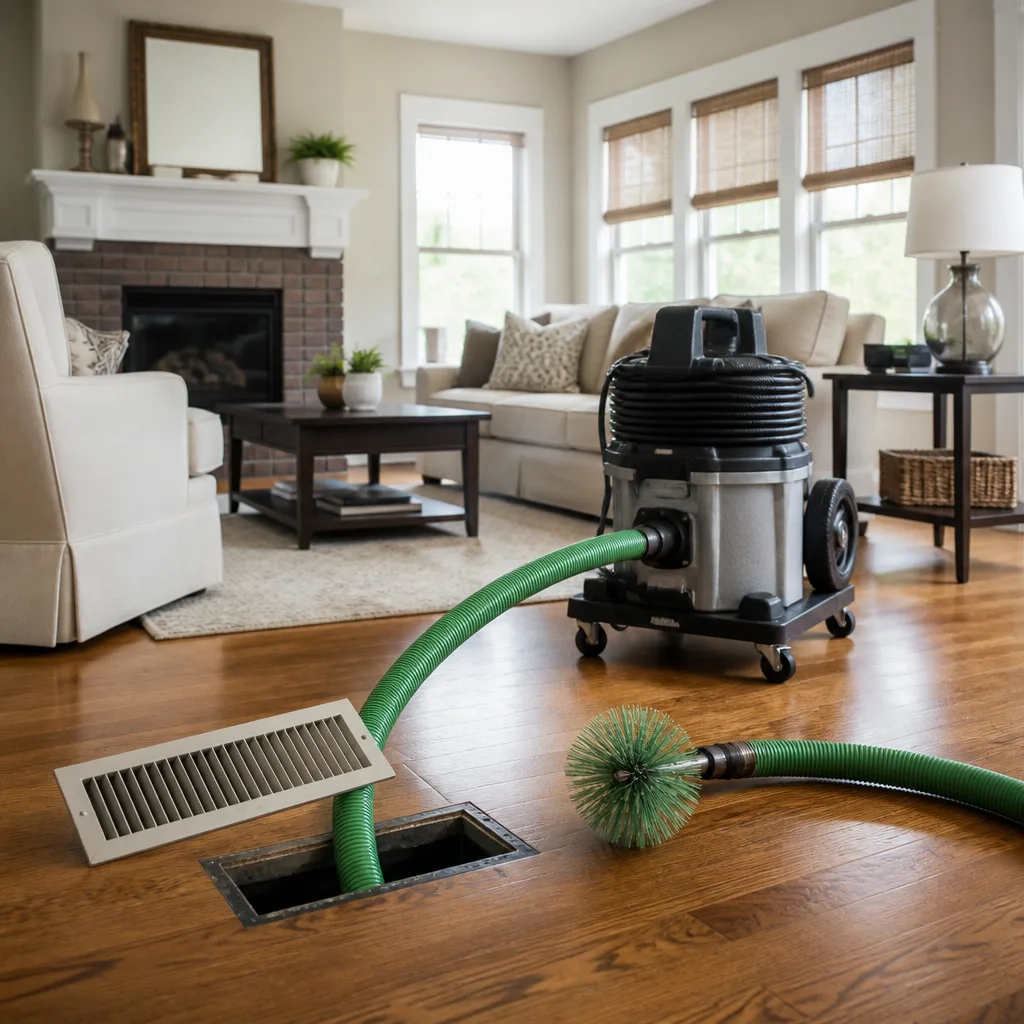
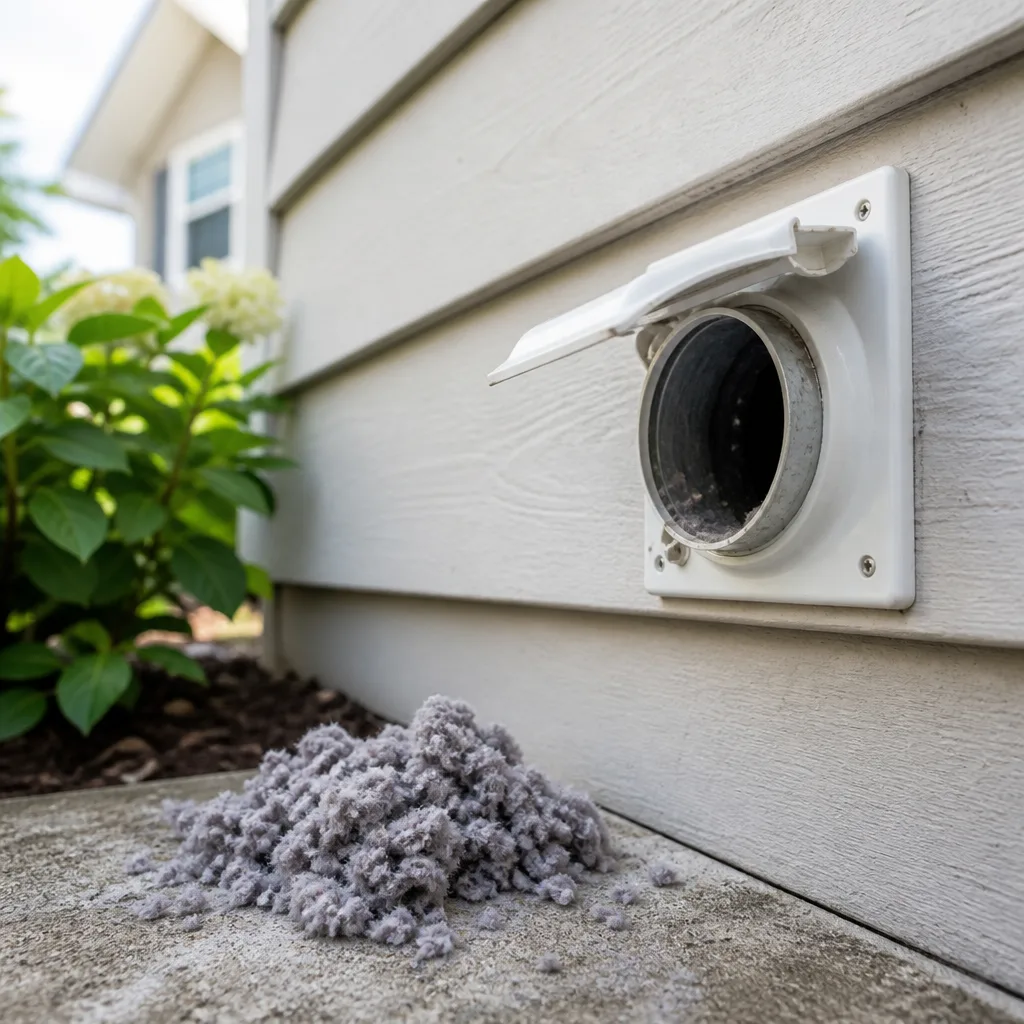
That "$99 whole-house special" is a bait ad - the real number appears once they are in your hallway, or the "clean" is a shop-vac at the register. We photograph the inside of your ducts before and after instead.
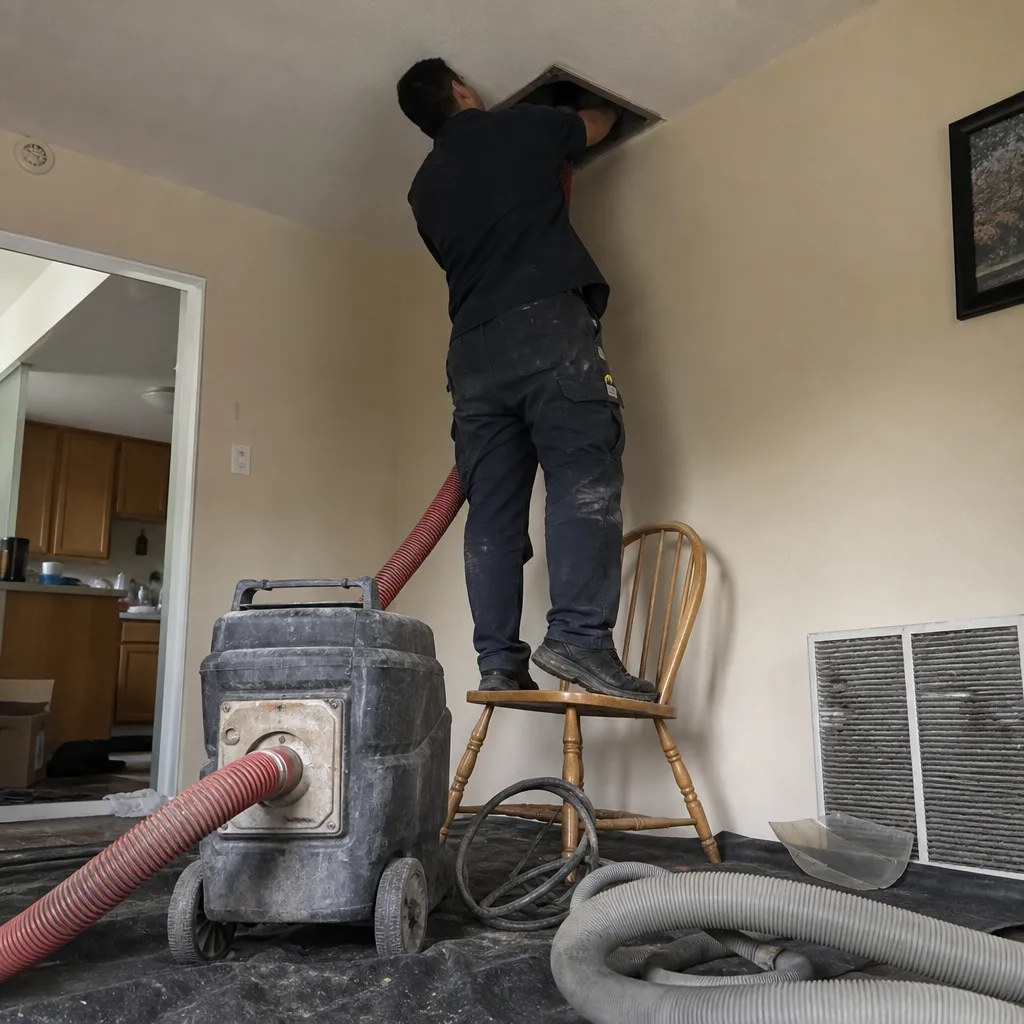 Before
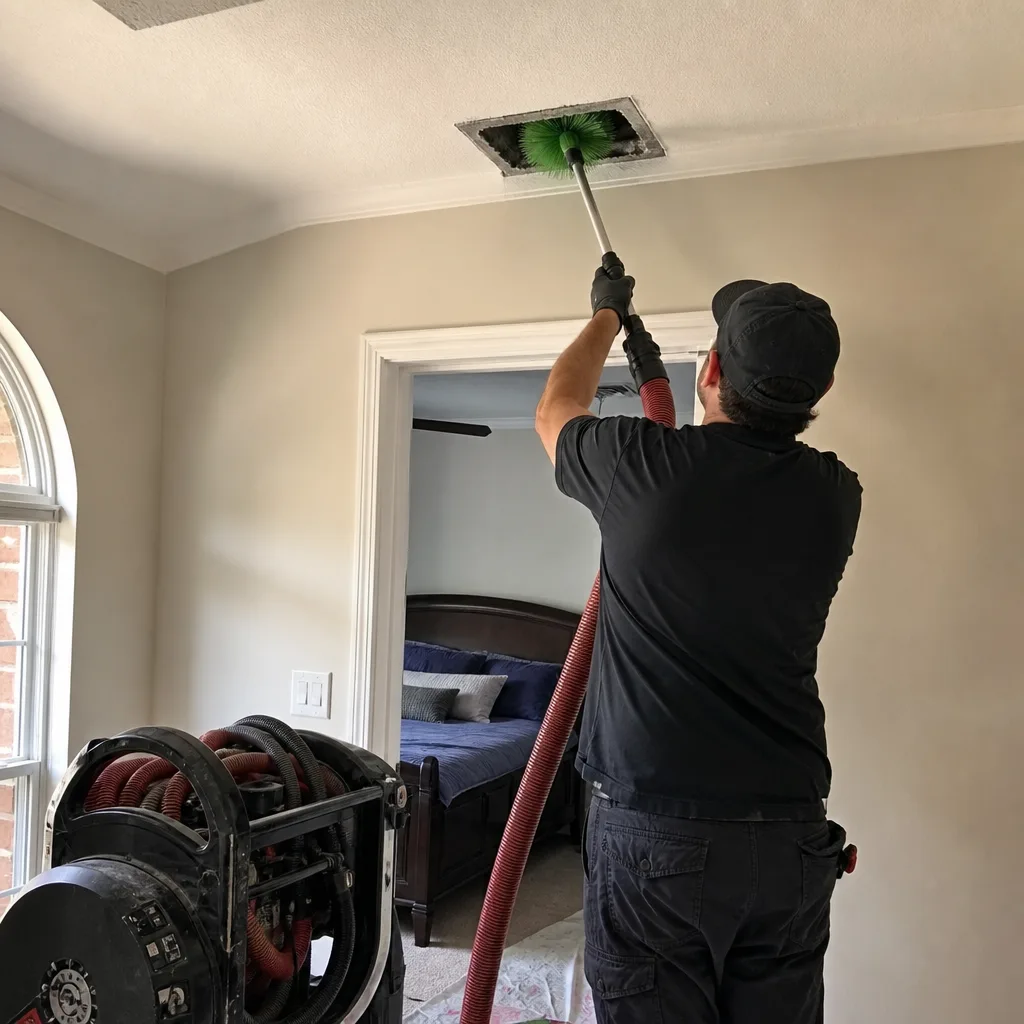 After
After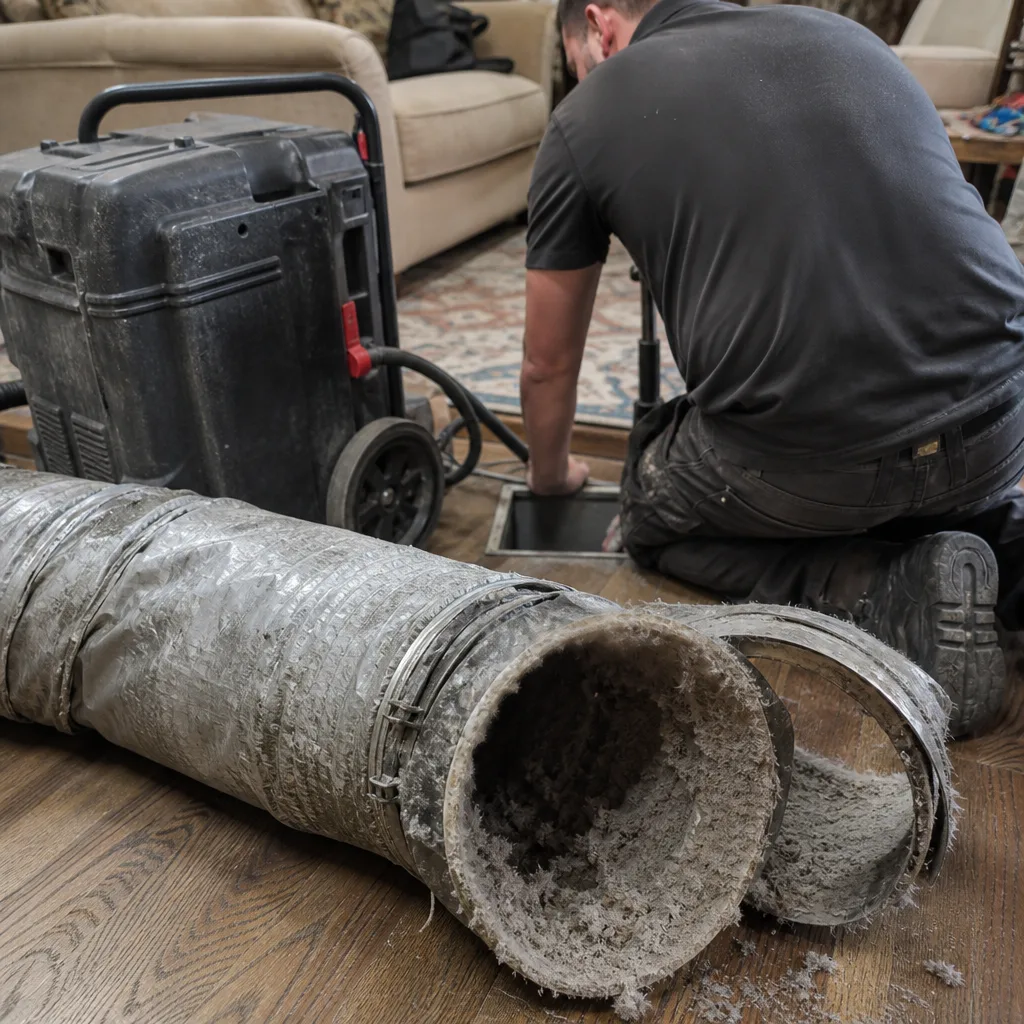 Before
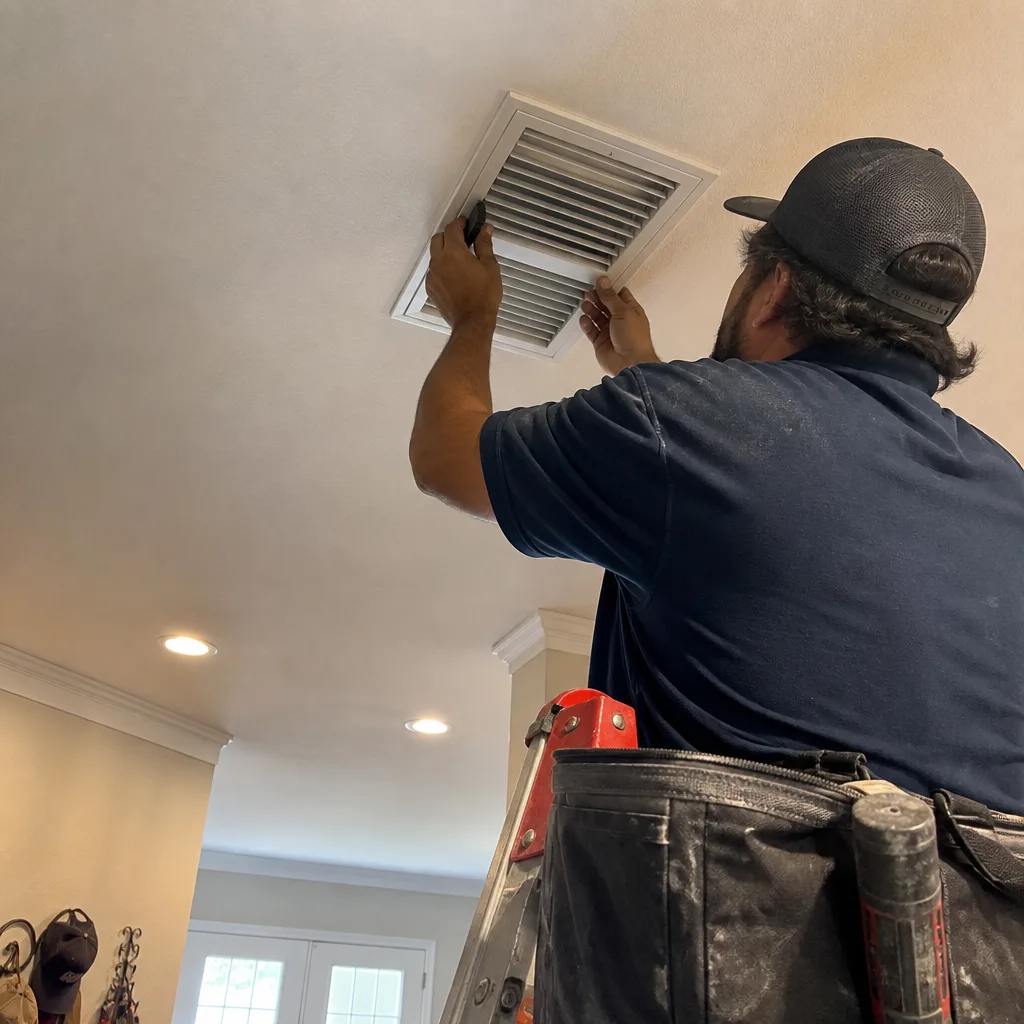 After
After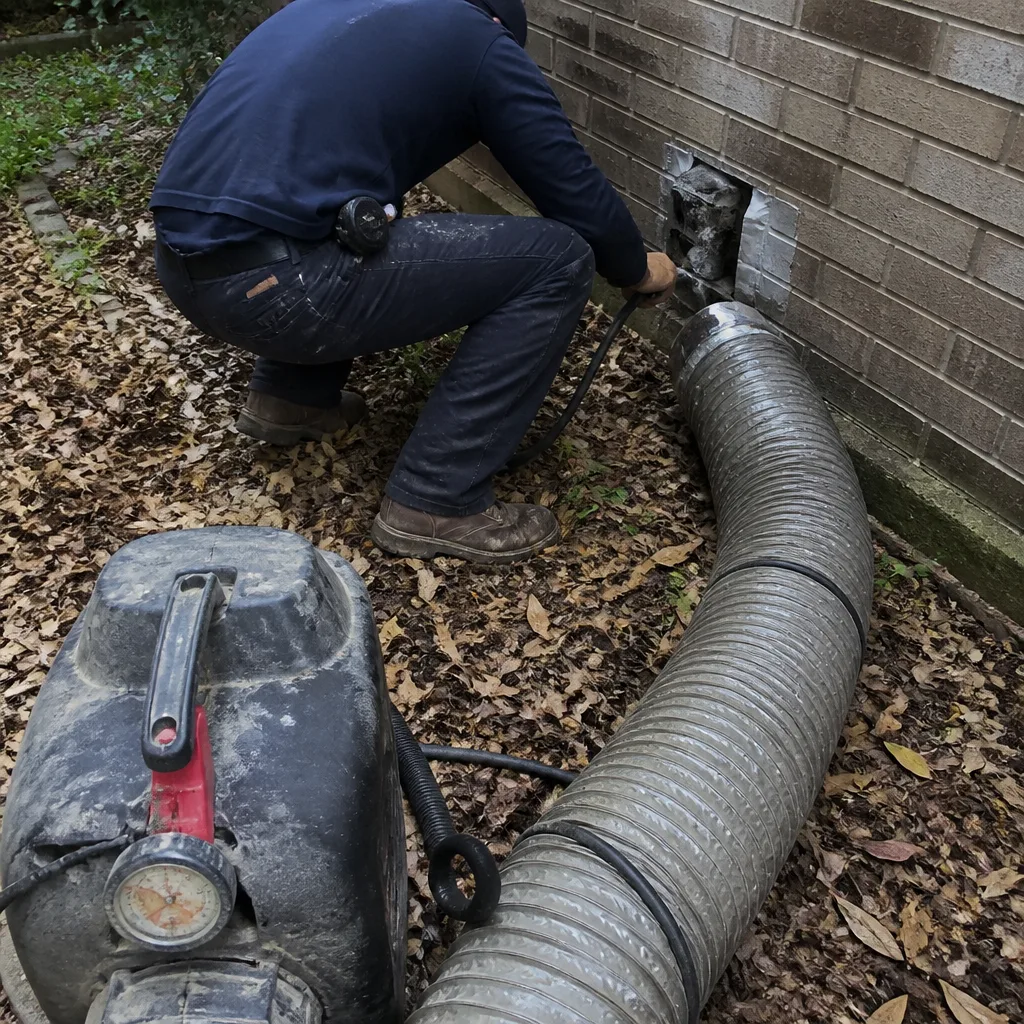 Before
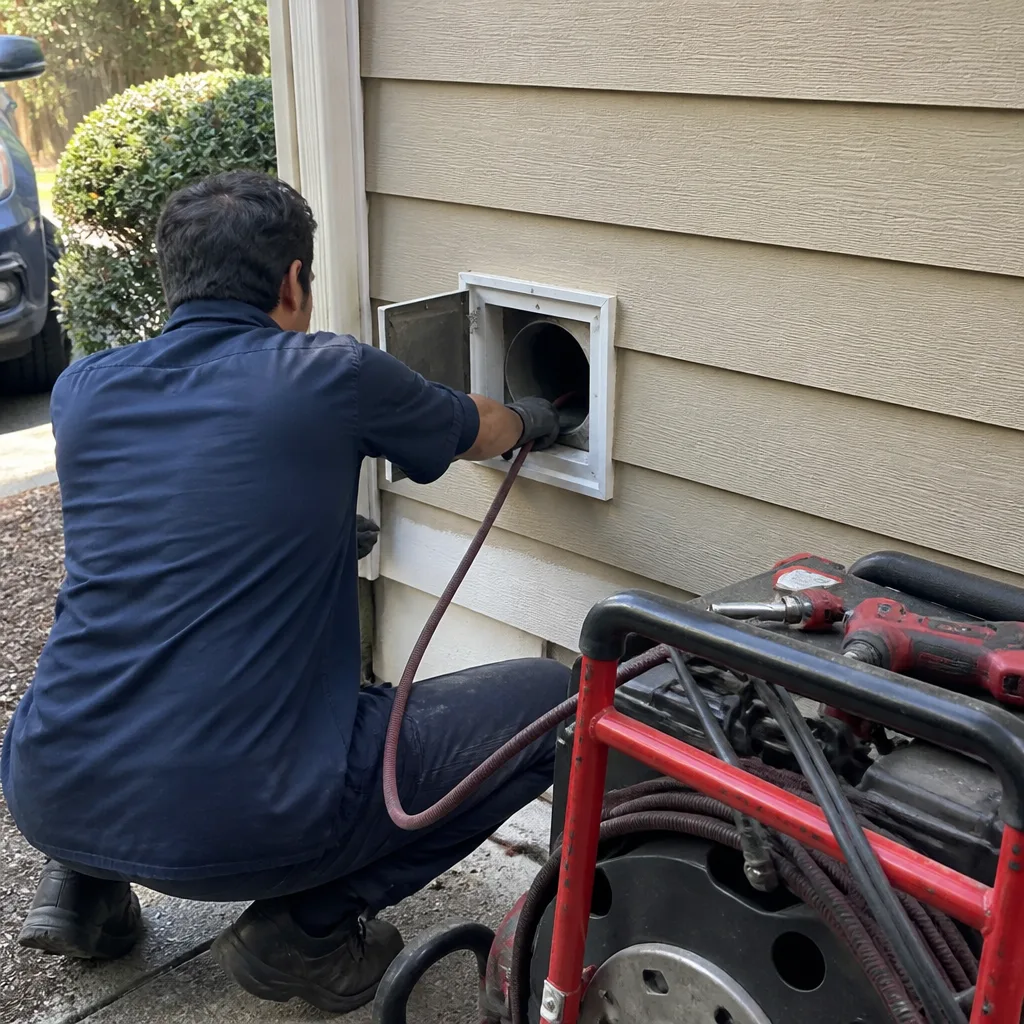 After
AfterHoneywell Coil Cleaning: The The Woodlands Owner’s Guide
CleanRun stocks and installs Honeywell-compatible evaporator and condenser coil cleaning for residential systems throughout The Woodlands, with typical whole-system service priced from $340 to $580 depending on accessibility and contamination level. Most Honeywell coil cleaning jobs in Panther Creek, Grogan’s Mill, and Sterling Ridge are completed same-day once scheduled. Homeowners usually discover the problem when their Honeywell system runs constantly but fails to drop temperature, or when they notice a musty, wet-cardboard smell right at startup - both point to a coil that can no longer exchange heat because biofilm and compacted debris have sealed the fins.
Which Honeywell Models This Applies To
Honeywell coils are not branded as aggressively as the thermostats and air cleaners, so identification takes a careful look at the air handler or condenser label. We clean coils in Honeywell-compatible systems including those matched to Honeywell zoning panels (HZ432, HZ322 series), TrueCLEAN air cleaner cabinets, and the older Enviracaire lines still running in The Woodlands homes built 2005 to 2015. The critical spec is fin density: Honeywell-specified coils often run 8 to 14 fins per inch in residential evaporators, and using a cleaner or pressure setting meant for a looser Carrier or Trane coil will flatten those fins permanently.
To identify your coil correctly, check the air handler model sticker inside the blower compartment, not the thermostat. The coil itself will carry a separate A-frame or slab-coil part number, usually beginning with CNPV, CDPF, or CAPF for newer matched systems. OEM Honeywell-branded coils are manufactured by third parties (Johnson Controls, Aspen, or Mueller in most cases we have seen), so a quality aftermarket equivalent from the same OEM source is often identical metal with different paint. We stock both paths and will show you the manufacturer source documentation before you agree to any work, per Haven Standard Clause 1.
Signs Your Honeywell Coil Cleaning Is Failing
- Longer cooling cycles with weaker output. A coil choked with pollen, skin cells, and the greasy residue that collects in The Woodlands’ high-humidity summers cannot release latent heat. The compressor runs longer, the supply air feels lukewarm, and your Honeywell thermostat shows the gap between setpoint and actual temperature widening through the afternoon.
- Musty or sour odor at startup. When moisture traps in the fin pack instead of draining cleanly to the condensate pan, microbial growth colonizes the aluminum. The first 30 seconds of blower operation push that biofilm smell straight through the registers. In homes near the Woodlands Waterway, we see this accelerated where outdoor humidity stays above 75 percent for weeks at a stretch.
- Ice formation on the refrigerant lines or coil face. Restricted airflow from contamination drops the coil surface temperature below freezing, and the ice layer compounds the blockage. Left unattended, this can slug liquid refrigerant back to the compressor - a far more expensive repair than a proper cleaning.
- Water stains below the air handler or at ceiling registers. A dirty coil sheds water unevenly, overwhelming the condensate pan or overflowing at the corners. We have found secondary drain pans rusted through in The Woodlands homes where this warning was ignored for two or three cooling seasons.
- Unexplained rise in summer electric bills. A 15 to 25 percent spike with no rate change often traces to a coil that forces the system to run 40 percent longer to achieve the same cooling. The Honeywell zoning system, if you have one, will try to compensate by calling more zones more often, masking the root cause until the compressor fails.
BeforeAfterReplacement Cost & What’s Included
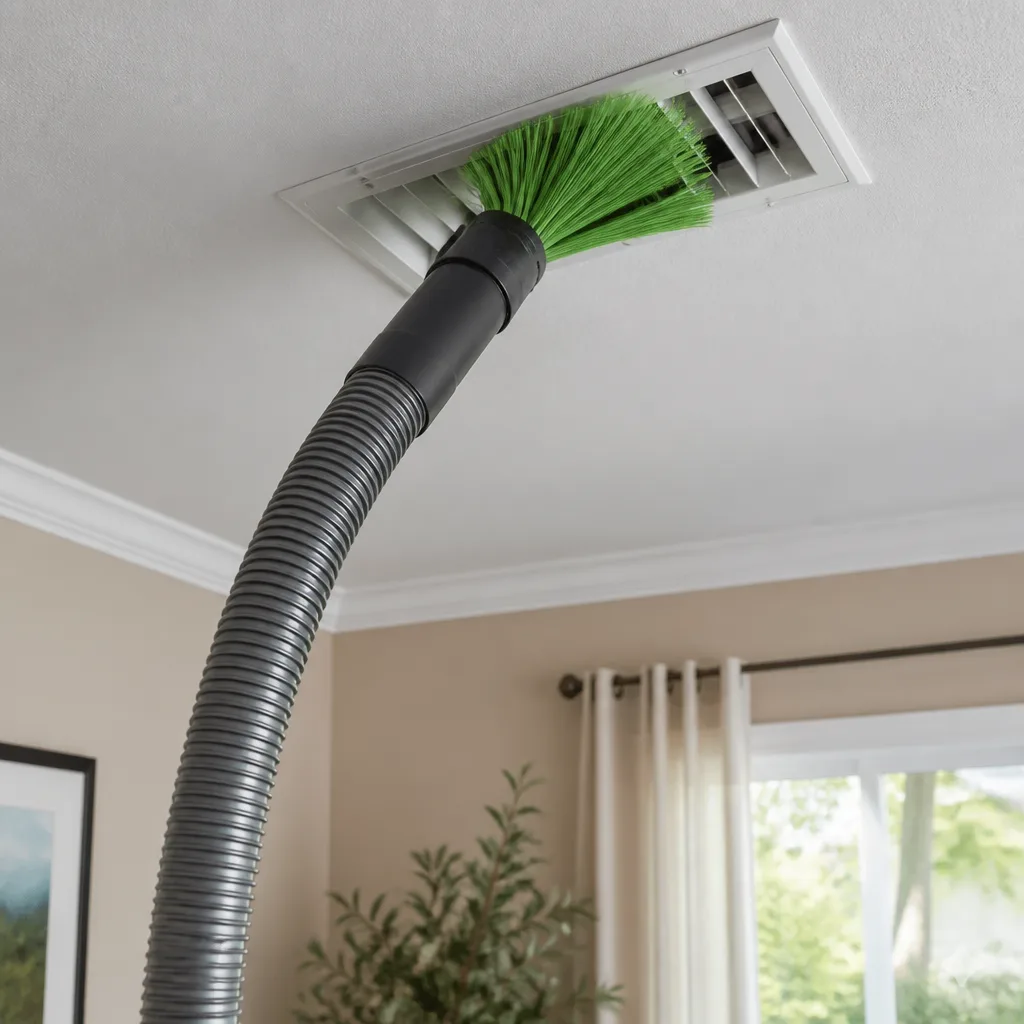
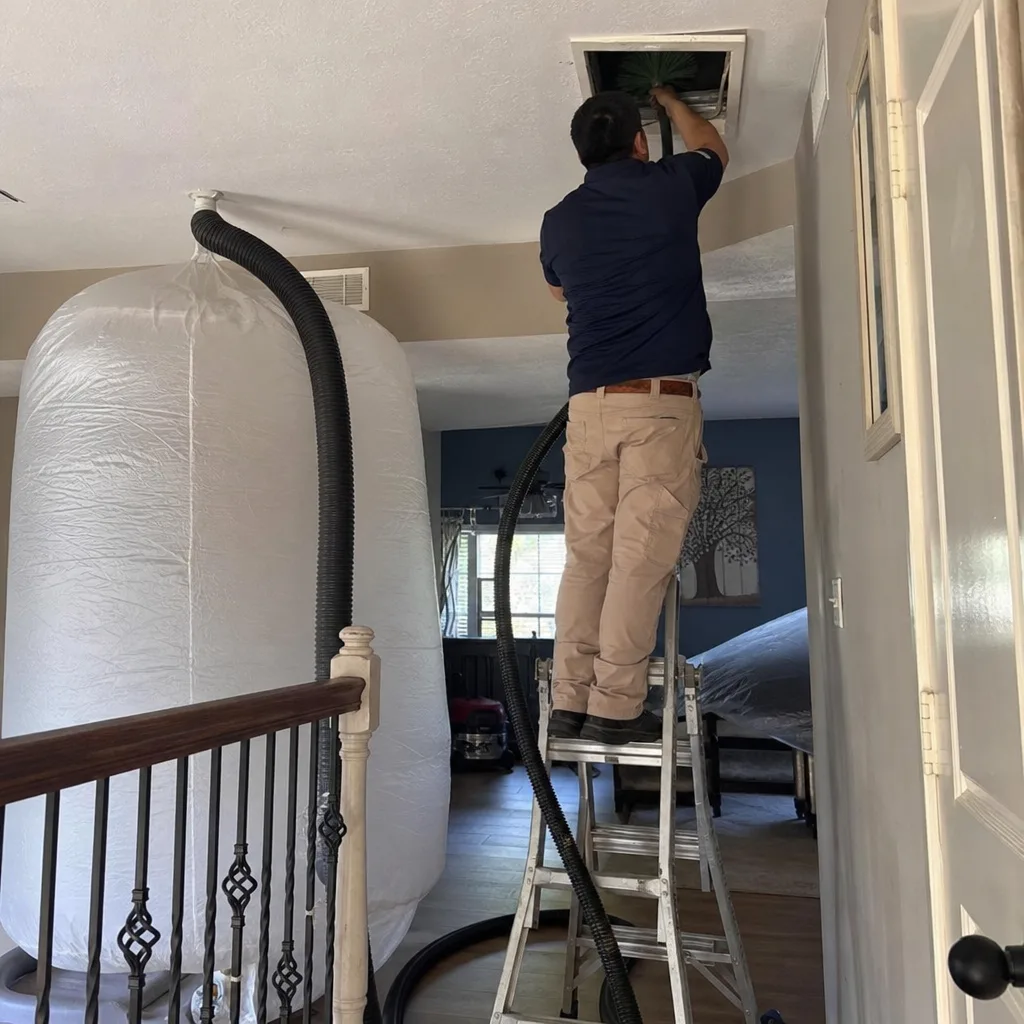
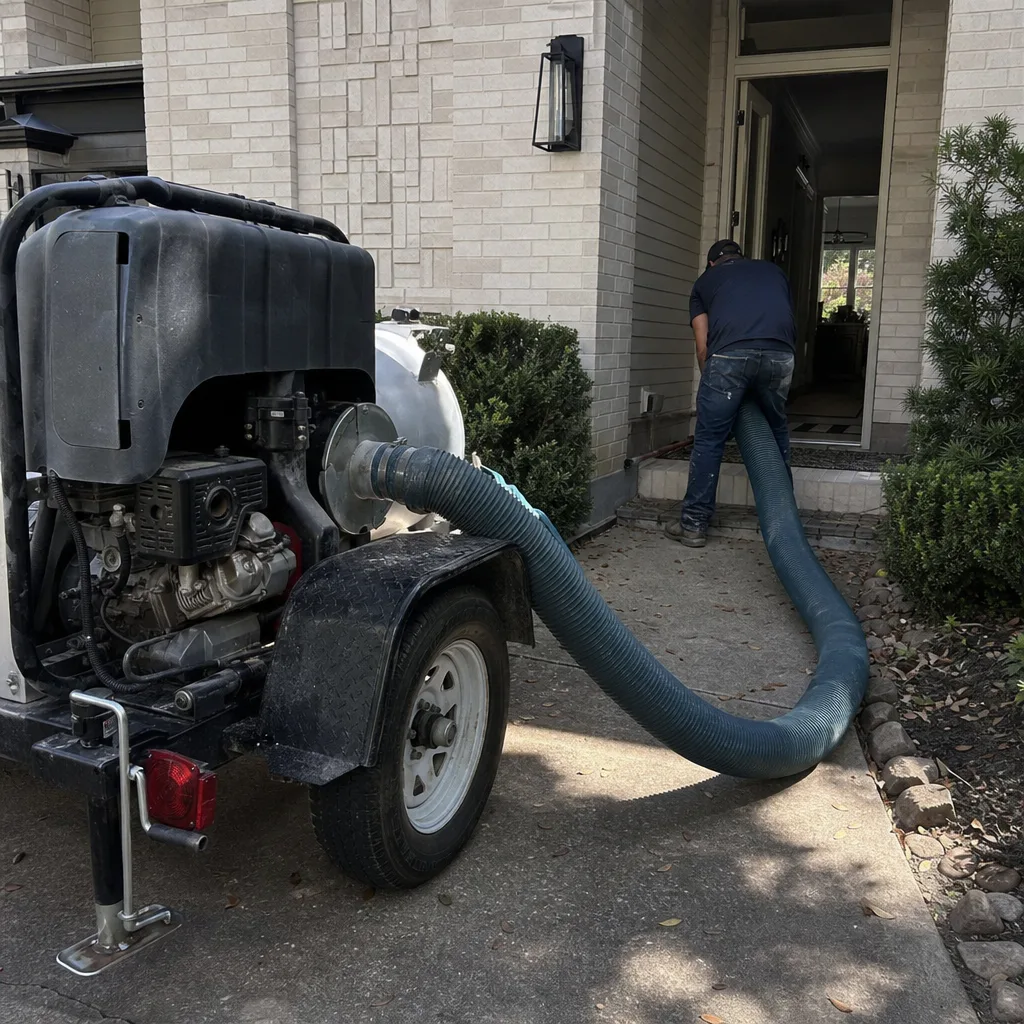
Whole-system Honeywell coil cleaning in The Woodlands runs $340 to $580, with the lower end covering accessible A-frame evaporators in attic air handlers with straight-line access, and the upper end reserved for downflow units in tight closets, horizontal slabs behind finished basement ceilings, or systems requiring refrigerant recovery and recharging to reach the coil. That price includes negative-pressure extraction of the duct run (a vacuum system that pulls debris out rather than blowing it deeper), foaming cleaner application matched to your fin density, fin combing where bent, and a documented photo record of the coil face before and after.
What drives the range is labor time, not a hidden parts markup. We publish the written price before removing a single panel, and that price is protected by the 365-Day Done Right Promise. If the coil was not cleaned thoroughly enough to restore rated airflow, we return and make it right. The photo record, delivered as part of your job file, is your proof of what was actually done.
| Service Element | Included |
|---|---|
| System inspection and written price | Yes |
| Refrigerant recovery/recharge (if needed) | Priced upfront if required |
| Negative-pressure duct extraction | Yes |
| Fin-safe foaming cleaner application | Yes |
| Before/after photo documentation | Yes, every run |
| 365-Day Done Right Promise | Written on every job |
DIY or Call Us?
There is a safe middle ground, and then there is where DIY goes wrong. A homeowner can inspect the coil through the blower compartment access panel with a flashlight, looking for visible matting, discoloration, or ice. You can also verify that the condensate drain line is flowing freely - a wet-dry vacuum on the exterior termination often clears a clog. What we do not recommend is spraying foaming cleaner from a big-box store into a coil you have not examined for refrigerant leaks, electrical proximity, or fin fragility. The cleaner that works on a car radiator will flatten 14-fins-per-inch Honeywell aluminum into a solid sheet.
Refrigerant lines carry pressurized gas; the electrical compartment sits inches from the wet coil face; and a slipped screwdriver in a tight attic air handler can puncture the copper tubing. Tomas Reyes and our crew are trained on Honeywell system architecture specifically, carry refrigerant handling certification, and work under Haven Standard Clause 3: Verified Crews. The before photo does the talking. Everything else is just paperwork. Call (346) 248-1474 for a written estimate with no obligation.
FAQs
In The Woodlands’ Gulf Coast climate, a properly cleaned residential coil stays clear for 3 to 5 years if the system has a maintained filter and no construction dust or pet-hair overload. Homes near construction zones or with multiple shedding pets often need attention every 2 to 3 years. Call (346) 248-1474 and we will inspect yours and give you a written condition report with no pressure to schedule.
No. Once fin corrosion or biofilm has established, physical cleaning is the only restoration path; there is no “coating” or spray that reverses it without removing the contamination first. If the fins are corroded through or the copper tubing has pinholed, coil replacement becomes necessary, and we will show you that damage in the photo record before quoting replacement. Call (346) 248-1474 for an honest assessment.
Most Honeywell coil cleanings in The Woodlands take 2 to 4 hours from arrival to final system test, with the lower end for open attic A-frames and the upper end for horizontal slabs requiring refrigerant work. We do not rush the drying and inspection phase; a wet coil restarted too soon traps moisture and restarts the microbial cycle. Call (346) 248-1474 to schedule a morning or afternoon block.
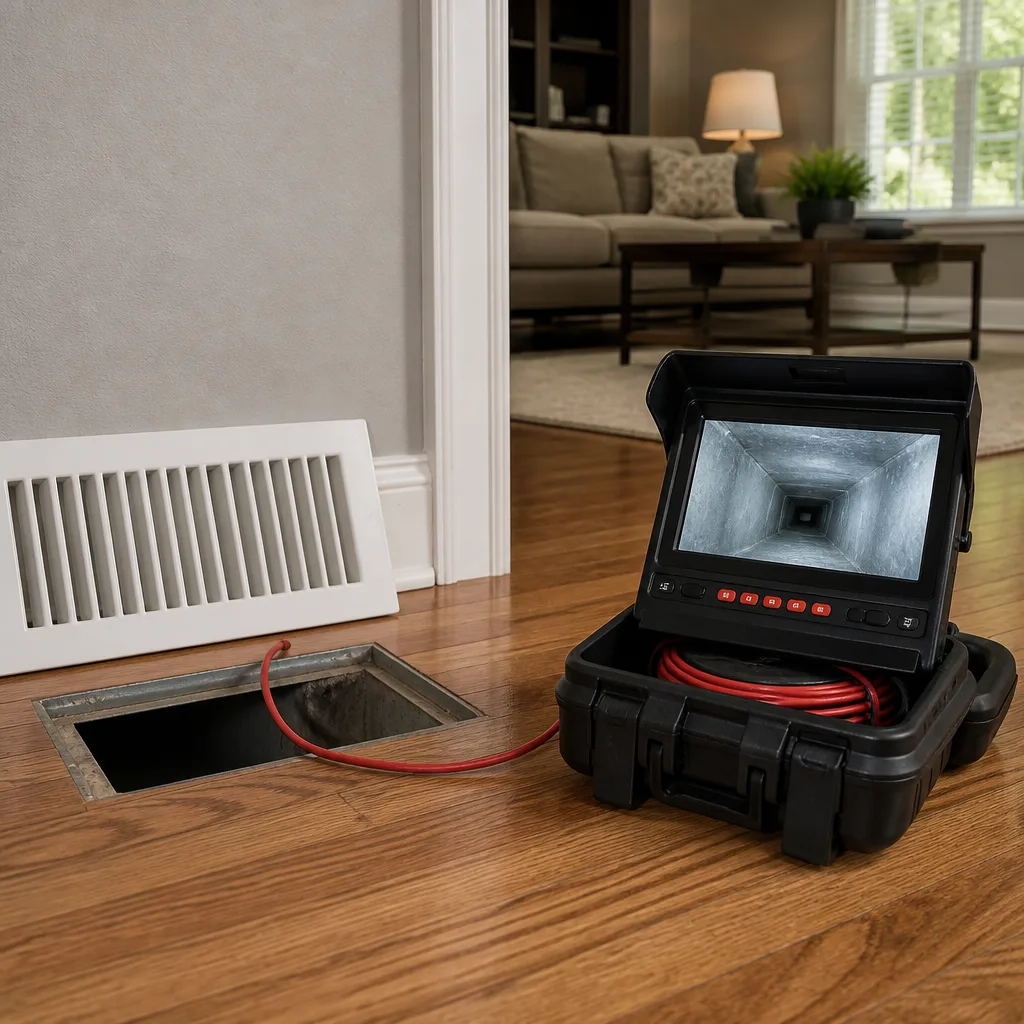
Yes. Our vans carry fin-safe foaming cleaner rated for 8 to 16 fins per inch, HEPA-filtered negative-pressure extractors from Nikro and Abatement Technologies, and inspection cameras that let you see the coil condition in real time before we begin. We also stock replacement coils for common Honeywell-matched systems if cleaning reveals damage beyond recovery. Call (346) 248-1474 to confirm same-day availability for your model.
CleanRun Air Duct Cleaning The Woodlands is an independent service provider; we are not affiliated with, endorsed by, or operating under license from Honeywell International Inc. We also stock and install parts for Lennox, Trane, and Carrier systems.
Written by Tomas Reyes, Owner, CleanRun Air Duct Cleaning The Woodlands at CleanRun Air Duct Cleaning The Woodlands, serving The Woodlands and nearby areas.