
Last updated September 23, 2026
Whole-system duct and dryer vent check with before-and-after photos - you see exactly what came out of your vents
That "$99 whole-house special" is a bait ad - the real number appears once they are in your hallway, or the "clean" is a shop-vac at the register. We photograph the inside of your ducts before and after instead.
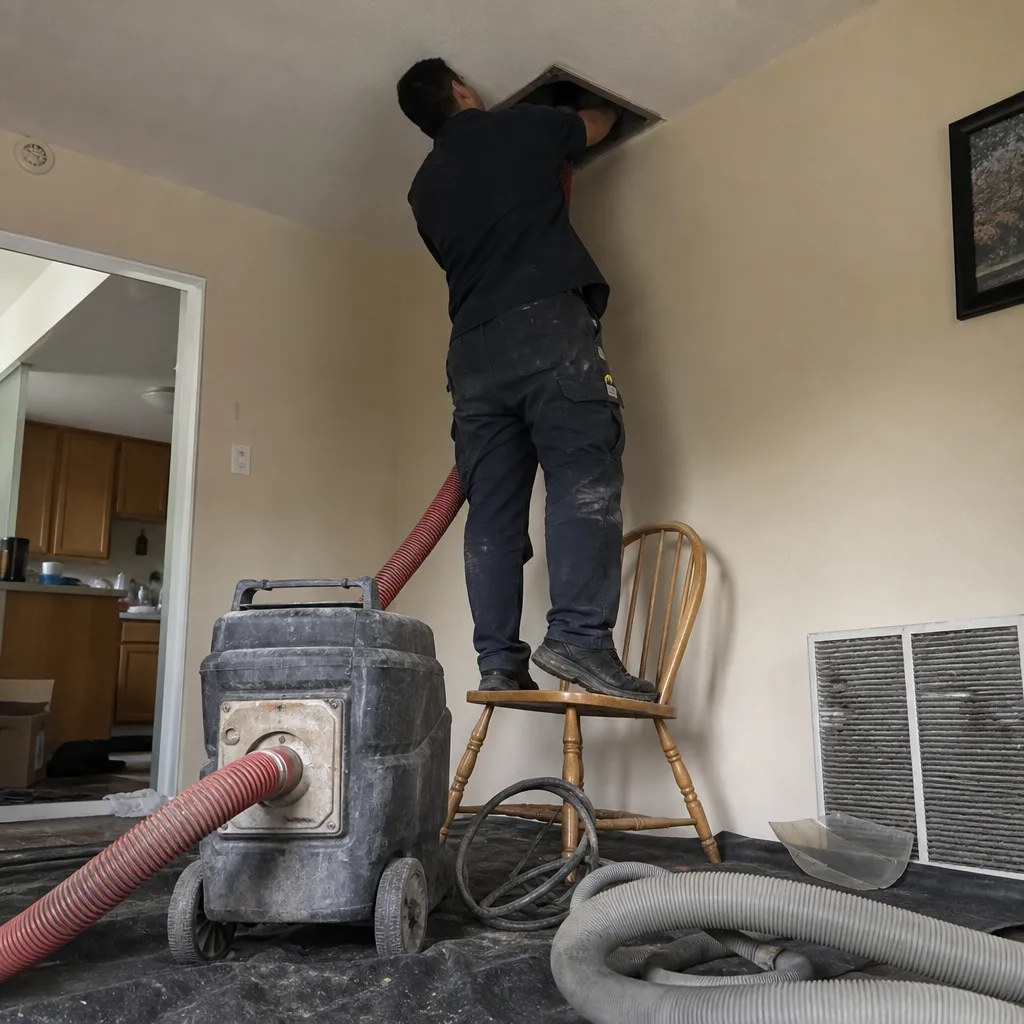 Before
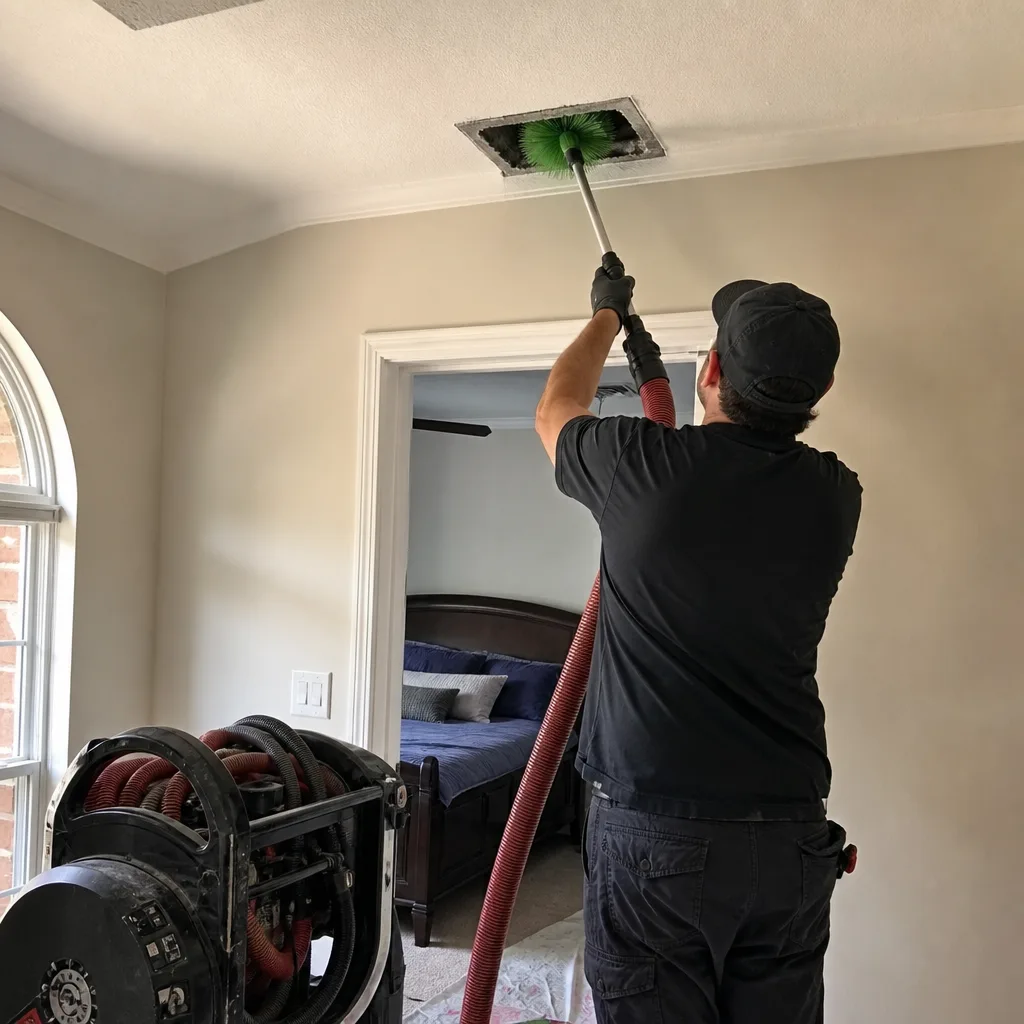 After
After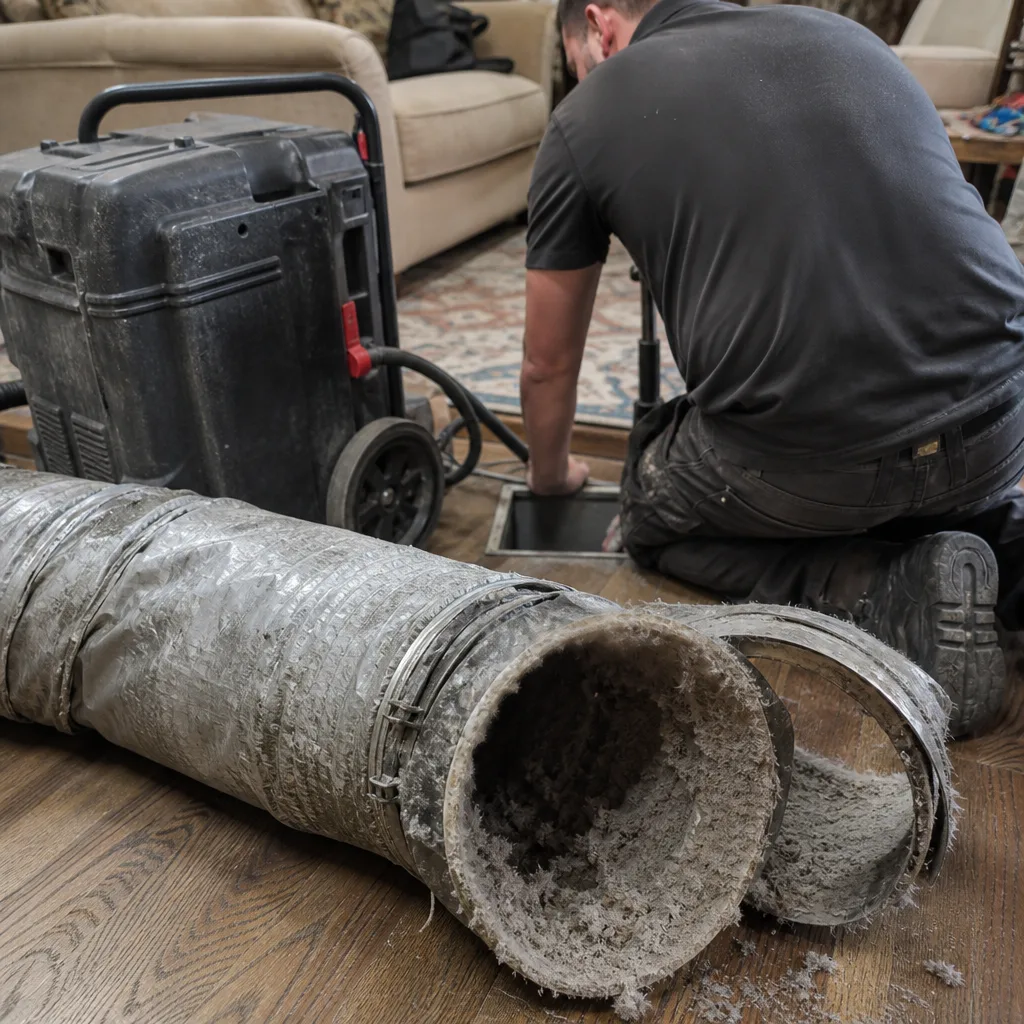 Before
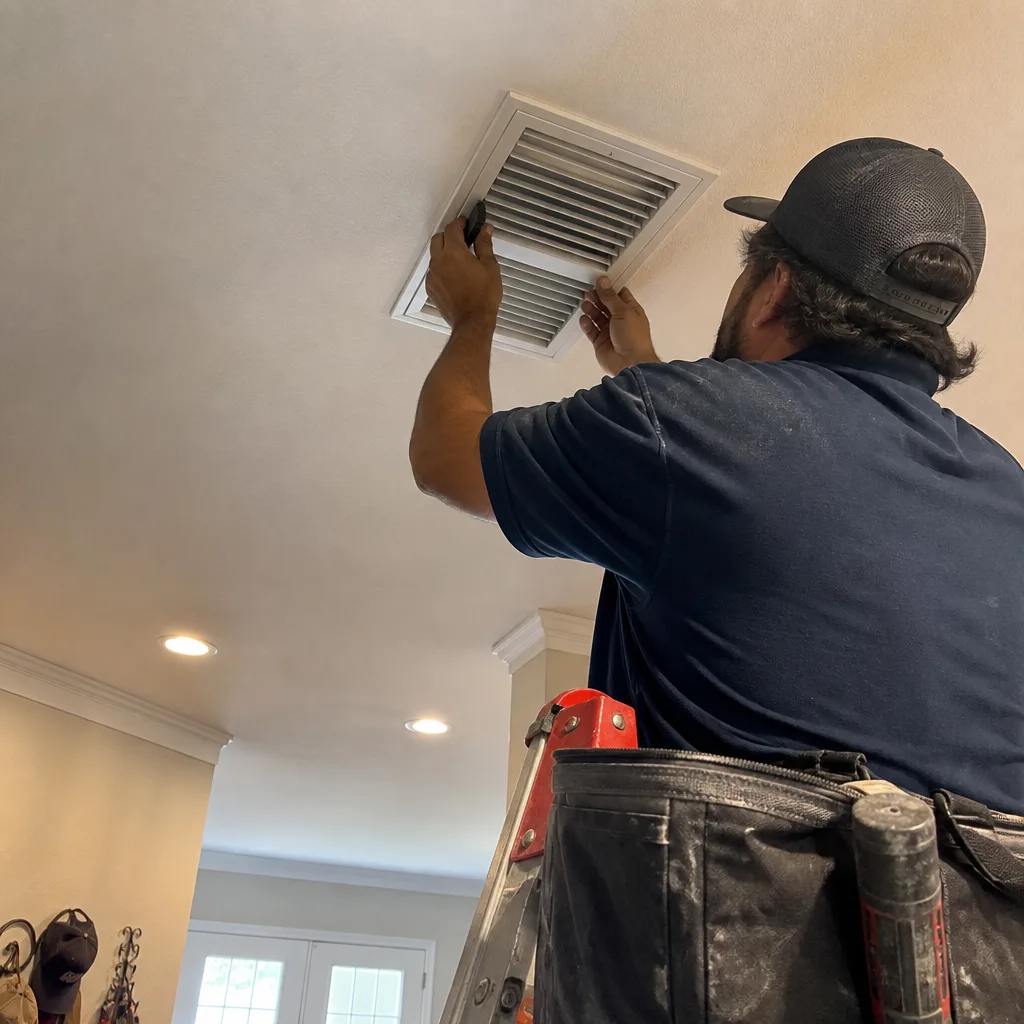 After
After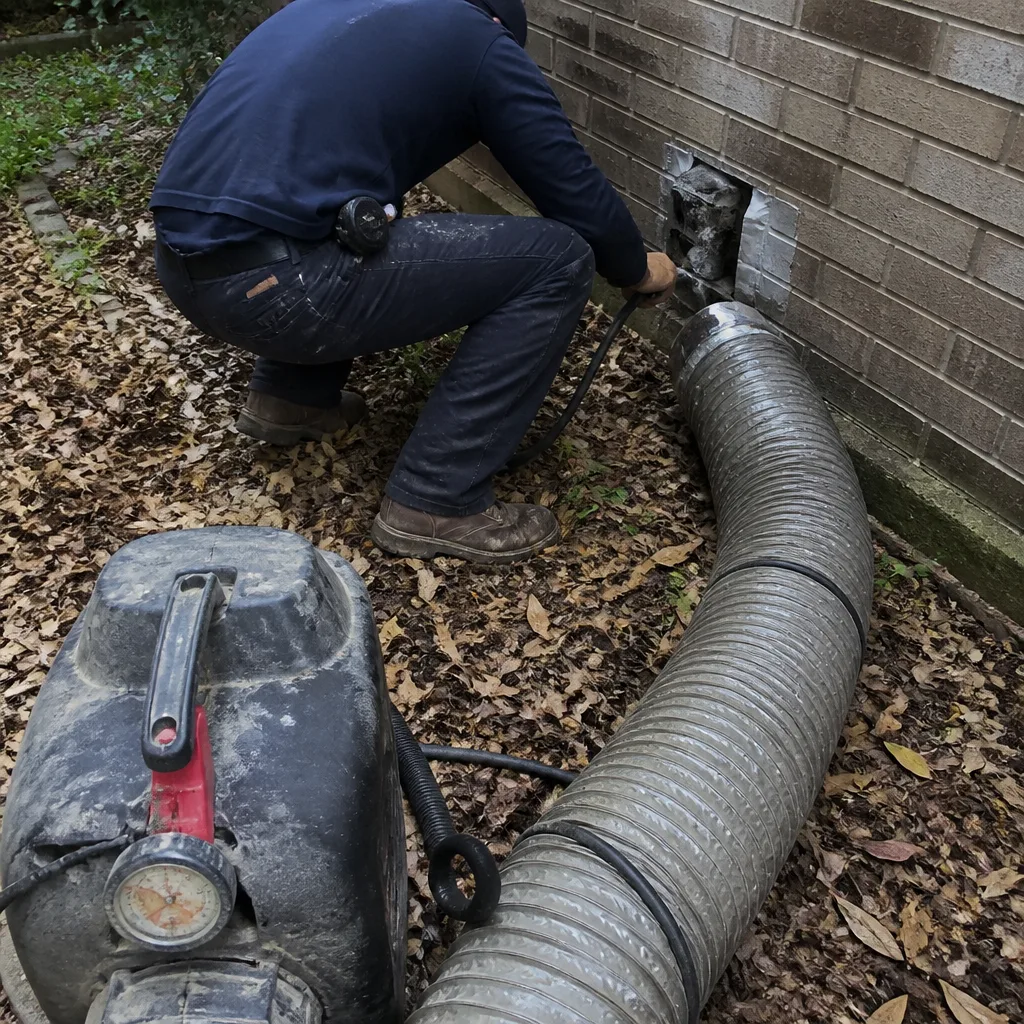 Before
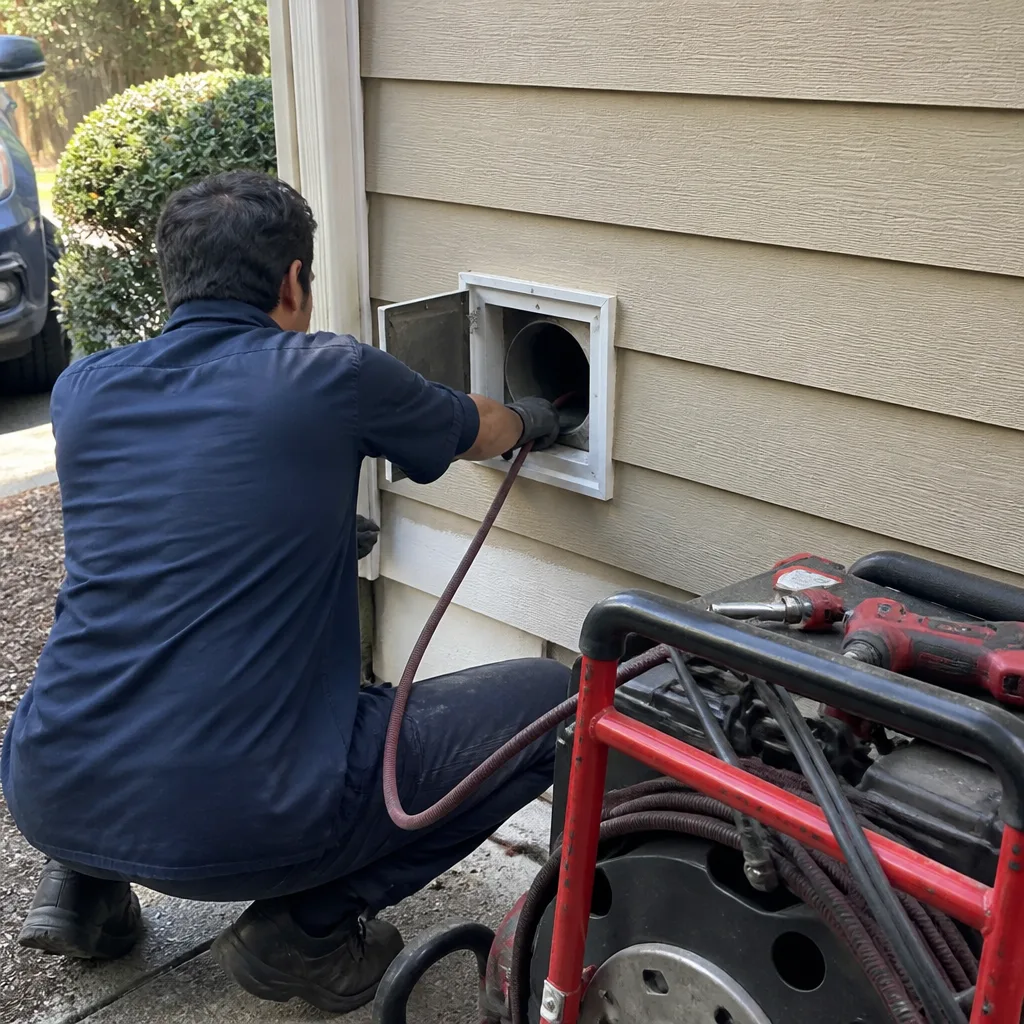 After
AfterAir Duct Cleaning Maintenance Checklist for The Woodlands Homeowners
The two most common findings inside The Woodlands ductwork - settled pollen paste at flex duct low points and torn inner liner at elbow joints - are both visible from a $40 inspection scope before any cleaning equipment rolls off the truck. Most homeowners in Panther Creek, Grogan’s Mill, and Sterling Ridge have never looked inside their own ducts, yet they’re making $600-$1,200 spending decisions based on what a technician tells them they saw. This checklist - like our Air Duct Cleaning Warning Signs: A The Woodlands Homeowner’s Reference Guide - changes that. You’ll learn which observable conditions in your home are early evidence of a duct system problem, how to document them yourself, and when a camera inspection versus a simple filter change is the right next step.
Quick Answer
Air duct maintenance for The Woodlands homeowners means monthly filter checks, quarterly register inspections, annual visual flex duct checks from the attic hatch, and a full camera inspection every 3-5 years - or immediately after major storms or freeze events. The goal isn’t a calendar cleaning; it’s catching settled pollen paste, liner tears, and condensation damage before they require mold remediation or full duct replacement.
Table of Contents
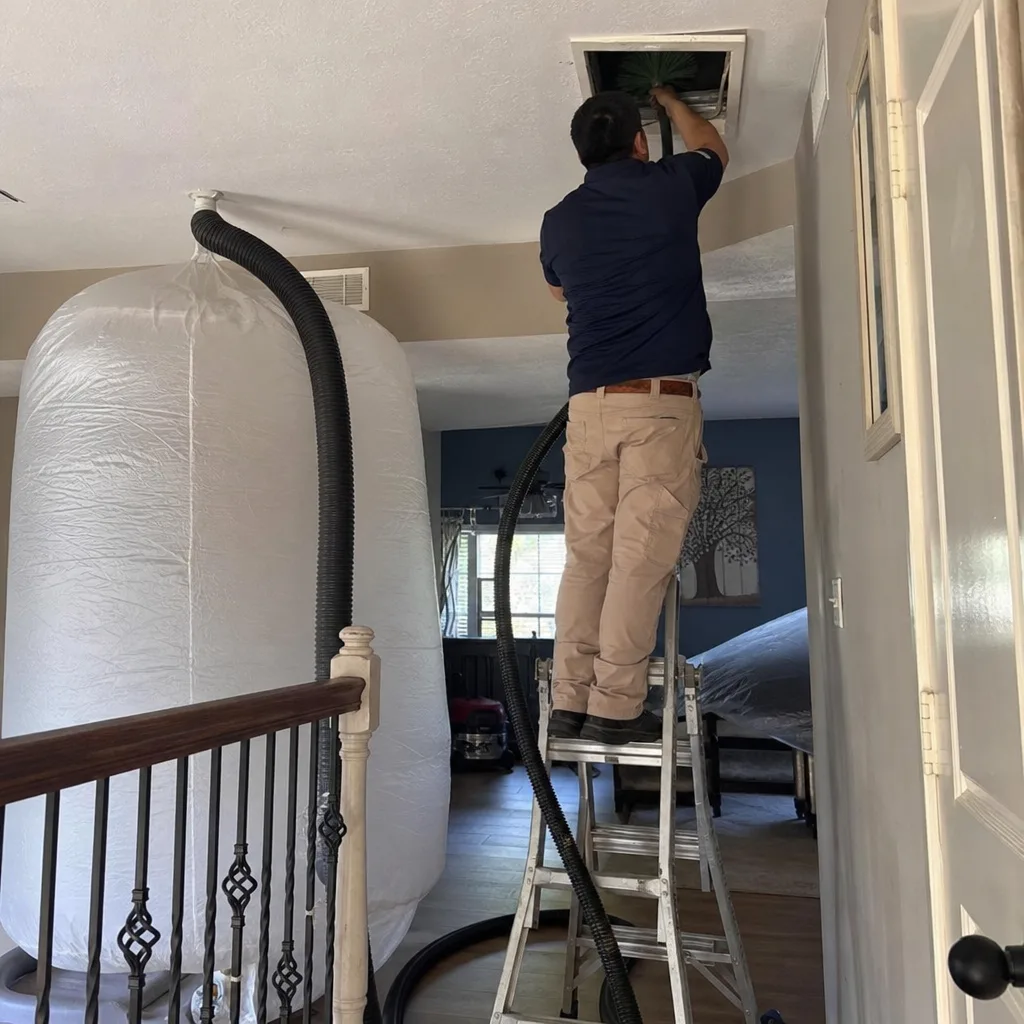
- Room-by-Room Inspection Routine You Can Do Yourself
- The Three Levels of Duct Inspection - And When Each Is Appropriate
- Post-Storm and Post-Freeze Inspection Checklist
- How to Document Your Findings Before a Contractor Arrives
- Maintenance Intervals: What to Do and When
- What a Technician’s Camera Actually Finds in Montgomery County Attics
- Common Mistakes to Avoid
- When to Call a Professional
- Frequently Asked Questions
BeforeAfterRoom-by-Room Inspection Routine You Can Do Yourself
Your supply registers - the vent covers where conditioned air enters each room - are the only part of your duct system you can inspect without tools. What you see there is diagnostic. Here’s what to check and what it means.
What to Look For at Every Supply Register
- Discoloration pattern. Dark, greasy buildup concentrated on one side of the register slats usually means turbulent airflow at that duct run’s termination, often from a crushed or partially collapsed flex duct behind the wall. Even discoloration across all slats suggests general dust loading in the system. In The Woodlands, we see asymmetric patterns most often in upstairs bedrooms where attic heat has softened flex duct walls over years of summer cycling.
- Odor on startup. When your AC first kicks on, note any musty, sour, or chemical smell that fades after a few minutes. A musty odor that dissipates quickly typically indicates microbial growth on the evaporator coil or in the plenum (the large central duct that distributes air from your air handler), not necessarily throughout the duct runs. A sour smell that lingers points to standing water in a low point of the duct system - common in The Woodlands homes built 2015-2020 with attic-mounted air handlers where condensate drains have partially clogged. A chemical or sharp odor suggests degraded duct liner adhesive off-gassing, which happens when attic temperatures exceed 140°F repeatedly.
- Visible debris line. Shine a flashlight into the register opening. A debris line - a visible ring of dust and particulate at a consistent depth inside the duct boot - tells you where airflow velocity has dropped enough for particles to settle. In homes near The Woodlands Parkway or I-45, we often see debris lines 8-12 inches inside the boot from construction dust that entered during initial HVAC commissioning and never fully cleared.
- Register fit and seal. Wiggle the register. If it moves freely or shows gaps between the cover and the ceiling, unconditioned attic air is being drawn into the system through the duct boot penetration. This bypass air bypasses your filter entirely, carrying pollen, fiberglass particles, and attic insulation directly into your living space.
Room-Specific Patterns in The Woodlands Homes
Homes in The Woodlands follow predictable patterns based on construction era and orientation:
- West-facing upstairs rooms (common in Alden Bridge and Cochran’s Crossing): These rooms see the most flex duct degradation from attic heat load. Check these registers first for odor and discoloration.
- Kitchen and utility room registers: Grease aerosols from cooking and laundry products adhere to duct walls and create sticky buildup that traps subsequent dust. These runs often show the heaviest debris lines.
- Guest bedrooms with closed doors: Low airflow velocity in rarely used rooms allows sedimentation of fine particles. The register may look clean, but shine your flashlight at an angle - the debris line may be subtle but present.
Document anything you find. The next section explains how this documentation protects you.
The Three Levels of Duct Inspection - And When Each Is Appropriate
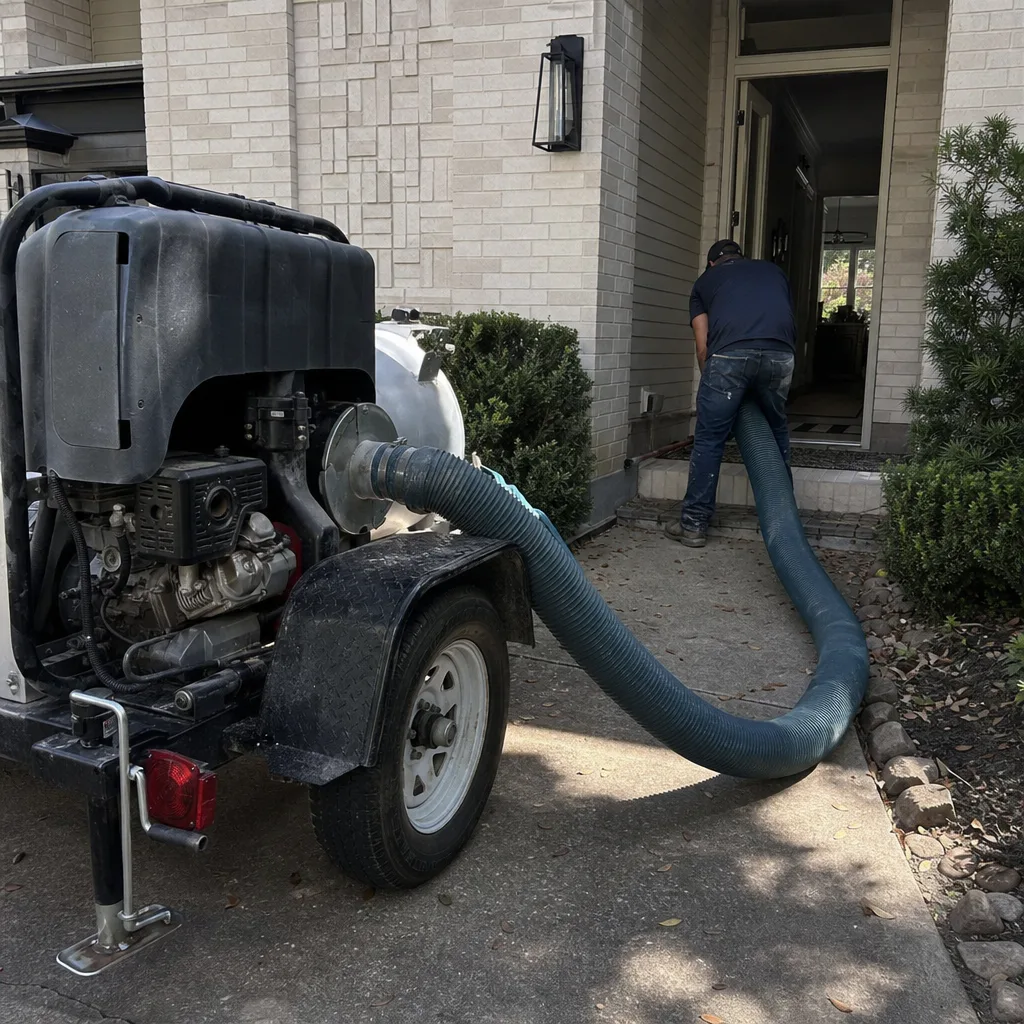
Not every finding requires the same response. Homeowners waste money calling for full service when a filter change would suffice, and delay camera inspections when early intervention would prevent major repair. Here’s how to match the inspection level to your situation.
Level 1: Filter Check (Monthly)
This is not duct inspection in the technical sense, but it’s the most consequential maintenance action you can take. A clogged filter increases static pressure across the entire system, which in turn increases the volume of air pulled through any leaks in the ductwork. In The Woodlands’ long cooling season, we see systems running 2,800+ hours annually with filters that should have been changed at 600 hours. The result is accelerated loading of the duct interior and premature evaporator coil fouling.
Check your filter monthly during peak season. Hold it up to a bright light. If you can’t see light through it clearly, replace it. For homes near construction zones in The Woodlands - notably the expanding areas along FM 1488 and Kuykendahl - check more frequently during dry months when dust loading is highest.
Level 2: Visual Duct Inspection (Annually)
This requires only a flashlight and access to your attic hatch or crawl space. You’re not inspecting the full duct run - that’s impossible without a camera - but you can see enough to flag problems.
From the attic hatch, shine your flashlight across the visible flex duct runs. Look for:
- Sagging or low points where condensate could collect
- Kinks or sharp bends that restrict airflow
- Disconnected collars at junctions
- Insulation jacket damage exposing the inner liner
- Dark staining on insulation that suggests past water intrusion
In The Woodlands, pay particular attention to flex duct routed near the roof deck. Attic temperatures in unvented spaces can exceed 150°F in July and August. Over time, this degrades the adhesive bond between the inner liner and insulation jacket, creating the torn inner liner condition we photograph on roughly 30% of inspections in homes over 10 years old.
Level 3: Camera Inspection (Every 3-5 Years, or Triggered by Findings)
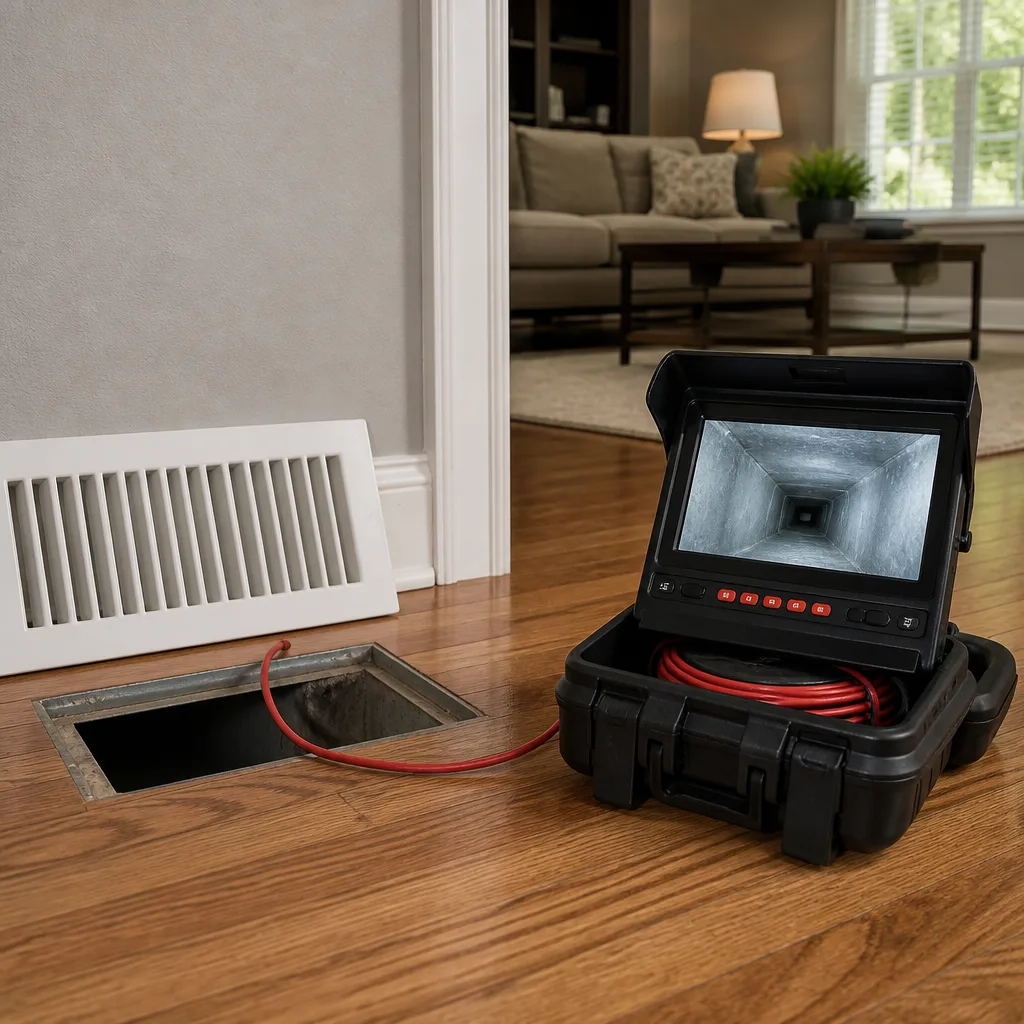
A borescope camera - the same tool your technician uses - inserts into the duct run through a register opening or a temporary access port. It reveals what no flashlight can: the condition of the duct interior wall, debris depth and composition, moisture marks, and microbial growth. In The Woodlands, we recommend camera inspection every 3-5 years for standard maintenance, and immediately if any Level 1 or 2 check produces the following:
- Musty odor that persists beyond startup
- Visible debris line deeper than 6 inches
- Any staining or damage visible from attic hatch
- Recent water intrusion event (roof leak, condensate overflow, freeze damage)
The camera inspection is also the appropriate tool before committing to any Air Duct Cleaning services. A reputable technician should show you the live feed and explain what they’re seeing before quoting work. At CleanRun Air Duct Cleaning The Woodlands, we deliver a Documented Photo Record of every duct run, before and after, as a standard deliverable on every job - a practice we’ve held since 2013. If a contractor won’t show you the inside of your ducts before quoting, that’s information in itself.
Post-Storm and Post-Freeze Inspection Checklist
The Woodlands’ climate delivers two specific threats to duct systems: summer thunderstorms with wind-driven rain, and winter freeze events that cause condensate line ruptures or ice damming in attic spaces. Both create conditions for condensation-driven liner separation, a failure mode that doesn’t announce itself immediately.
After Any Storm with Wind-Driven Rain
- Check ceiling registers in rooms beneath attic penetrations. Roof vents, turbine vents, and damaged flashing can admit water that travels along duct runs before showing as a ceiling stain. The first sign is often a water mark on the register itself or on the ceiling immediately surrounding it.
- Run the system and smell. Storm moisture that entered the duct system but didn’t fully drain will produce a musty odor on first startup, typically strongest 24-72 hours after the event.
- Inspect attic hatch perimeter for moisture. If water entered the attic space at all, the hatch perimeter may show darkening or softness in the drywall. This doesn’t confirm duct damage, but it confirms conditions existed that could have affected ductwork.
After Freeze Events (February 2021 and Similar)
The February 2021 freeze caused widespread condensate line freezing in The Woodlands, particularly in homes with attic-mounted air handlers where lines were improperly insulated or sloped. The damage pattern is specific:
- Primary condensate drain freeze-thaw causes overflow that spills into the secondary pan, then potentially into the plenum and downstream duct runs. The evidence: water staining on the plenum exterior visible from the attic hatch, or rust on metal components that were previously clean.
- Condensation-driven liner separation occurs when moisture saturates the insulation jacket and degrades the adhesive bond to the inner liner. The liner then delaminates and can partially collapse into the airway, restricting flow. From the register, you may notice reduced airflow in affected rooms. From the attic, you may see bulging or irregular contours in flex duct that previously appeared smooth.
If you observe any of these signs after a freeze, schedule a camera inspection. Liner separation progresses from partial delamination to full airway obstruction, and the repair cost escalates accordingly. Early camera identification allows for targeted repair; delayed diagnosis often requires full duct run replacement.
How to Document Your Findings Before a Contractor Arrives
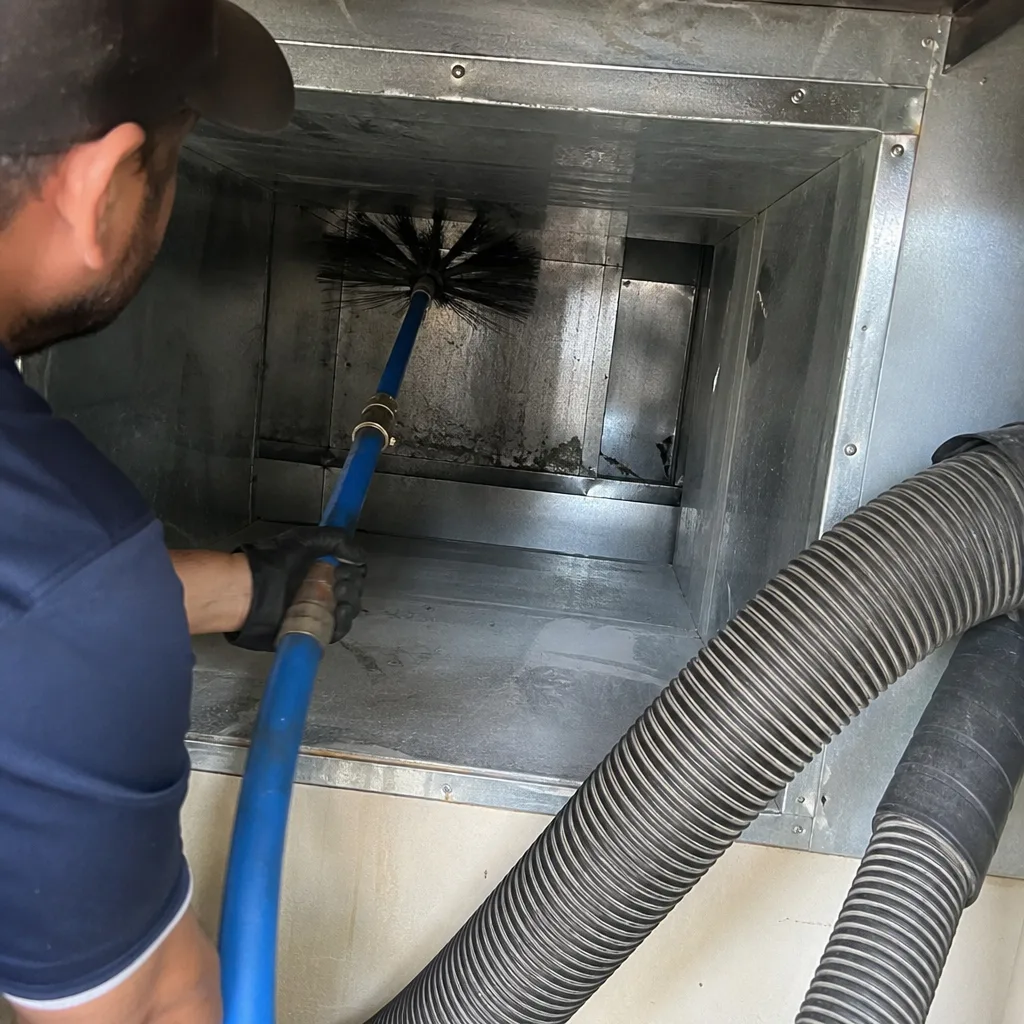
The air duct cleaning industry in The Woodlands, as in most markets, has a bait-and-switch problem. The $79 coupon arrives. The technician enters the home. The quoted price expands based on “what they found.” Homeowners without their own documentation have no basis to evaluate these claims.
Your phone camera changes this dynamic. Here’s how to build a record that protects you from upsell pressure and ensures you receive appropriate service.
What to Photograph
- Each supply register. Take one photo straight-on showing discoloration pattern, and one with flashlight showing debris line depth. Include a recognizable room feature in frame for reference (corner of bed, light fixture) so you can locate the register later.
- Your current filter. Photo the filter brand, MERV rating, and installation date if marked. This establishes baseline filtration performance.
- Attic hatch view. From the hatch, photograph each visible duct run with your flash on. Capture any sagging, staining, or damage you observe. Pan slowly - video is acceptable if photos blur.
- Your HVAC equipment label. The manufacturer plate on your air handler lists model, serial, and manufacturing date. This helps technicians identify whether your system has known issues (certain evaporator coil designs are prone to fouling, for example) and prevents misidentification.
How to Use Your Documentation
When a contractor arrives, state that you have your own documentation of conditions. Ask them to explain how their findings correspond to what you’ve photographed. A technician doing honest work will welcome this - it accelerates diagnosis and builds mutual clarity.
Specifically, ask:
- “Can you show me on your camera what corresponds to the debris line I photographed at this register?”
- “Does your scope image show the same sagging I saw from my attic hatch, or something different?”
- “Before you quote any work, can you explain what your camera shows that my photos don’t?”
If the contractor cannot or will not correlate their findings with your documentation, that is a signal to pause. At CleanRun Air Duct Cleaning The Woodlands, we deliver a written price before any work starts, every time, under Haven Standard Clause 1. We also provide a Free Second Opinion on any written estimate - bring a competitor’s quote and we’ll put our number next to it in writing. Your documentation makes this comparison meaningful rather than speculative.
Maintenance Intervals: What to Do and When
The following table consolidates the inspection levels into a maintenance calendar. Rationale for each interval is included so you can adapt based on your home’s specific conditions.
| Task | Interval | Rationale | Tools Needed |
|---|---|---|---|
| Filter check and replacement | Monthly during peak season; every 2 months shoulder season | The Woodlands cooling season runs April-October. Filter loading accelerates with runtime hours, not calendar time. | Replacement filter |
| Register wipe-down and visual inspection | Quarterly | Buildup at registers is early indicator of duct loading. Quarterly timing catches seasonal pollen peaks (March oak pollen, September ragweed). | Flashlight, damp cloth |
| Attic hatch visual flex duct check | Annually, ideally pre-season (March) | Identifies sagging, damage, and insulation degradation before summer heat load stresses the system. | Flashlight, phone camera |
| Full camera inspection of duct runs | Every 3-5 years; immediately after water intrusion or freeze event | Interior duct condition is invisible without tools. Three-year interval for homes with allergy-sensitive occupants; five-year for standard residential. | Professional service or personal borescope ($40-$80) |
| Dryer vent inspection and cleaning | Annually | Dryer vent buildup is a fire hazard independent of duct system condition. The Woodlands’ humidity extends drying times, increasing lint accumulation. | Professional service recommended |
For homes in The Woodlands built 2015-2020 with flex duct systems, lean toward the shorter end of these intervals. Construction-era flex duct in this market used adhesive formulations that degrade faster in high-attic-temperature conditions than earlier or later materials.
What a Technician’s Camera Actually Finds in Montgomery County Attics
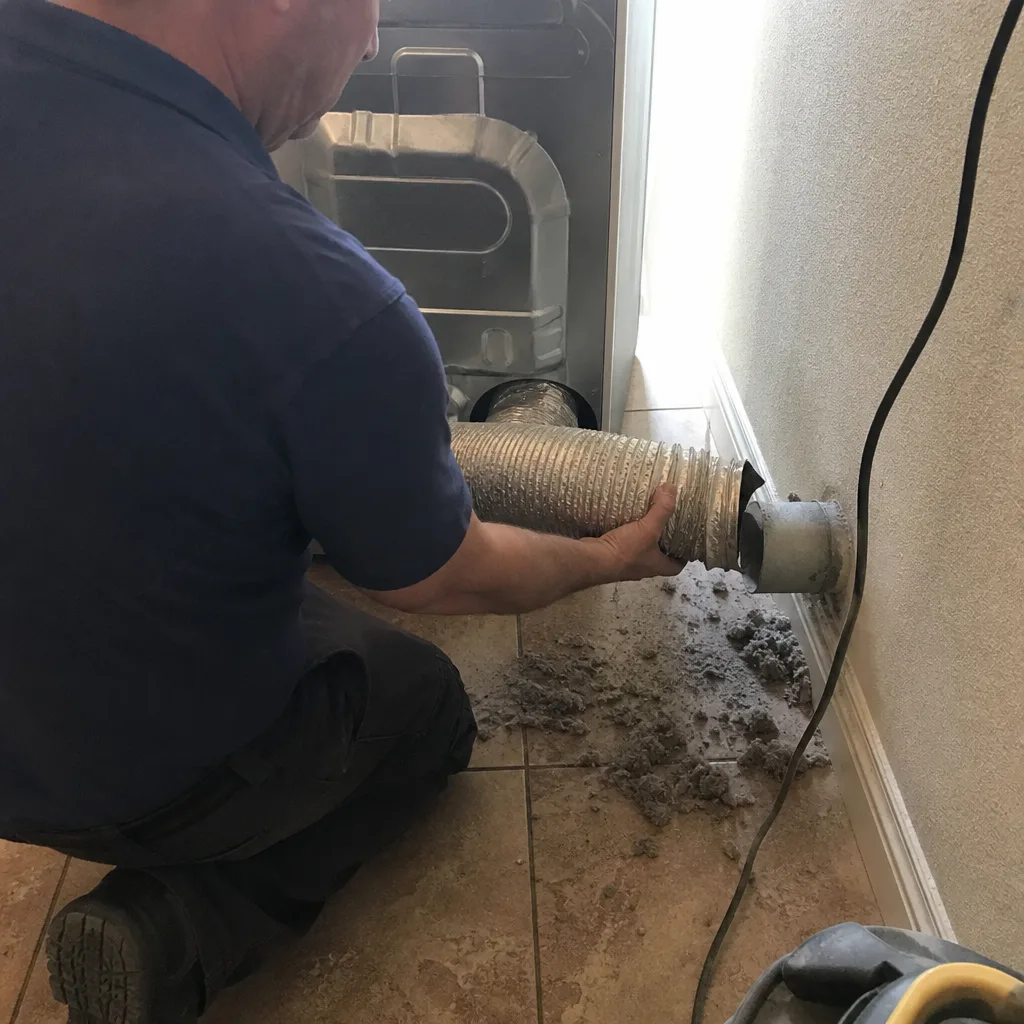
After 52,000+ homes served since 2013, our Documented Photo Record shows consistent patterns in The Woodlands ductwork. Understanding what technicians actually encounter helps you interpret your own findings and evaluate contractor claims.
Settled Pollen Paste at Flex Duct Low Points
The Woodlands’ dense tree canopy produces extraordinary pollen loads, particularly oak in March and pine in April. Pollen particles are sticky and electrostatically charged. When they enter the duct system - either through filter bypass or during construction - they adhere to duct walls at velocity transition points. Over years, this buildup compacts into a paste-like layer, often 1/4 to 1/2 inch thick, at the low points of flex duct runs where airflow is slowest.
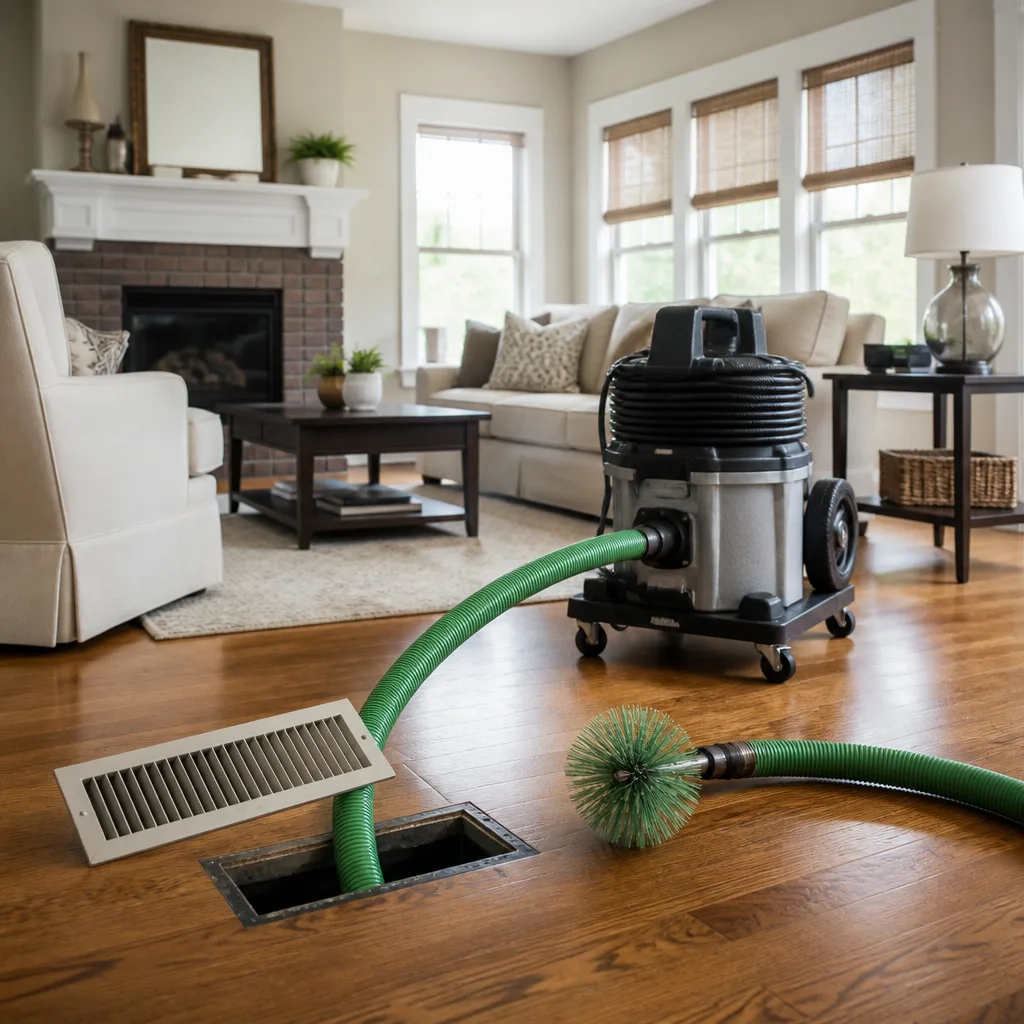
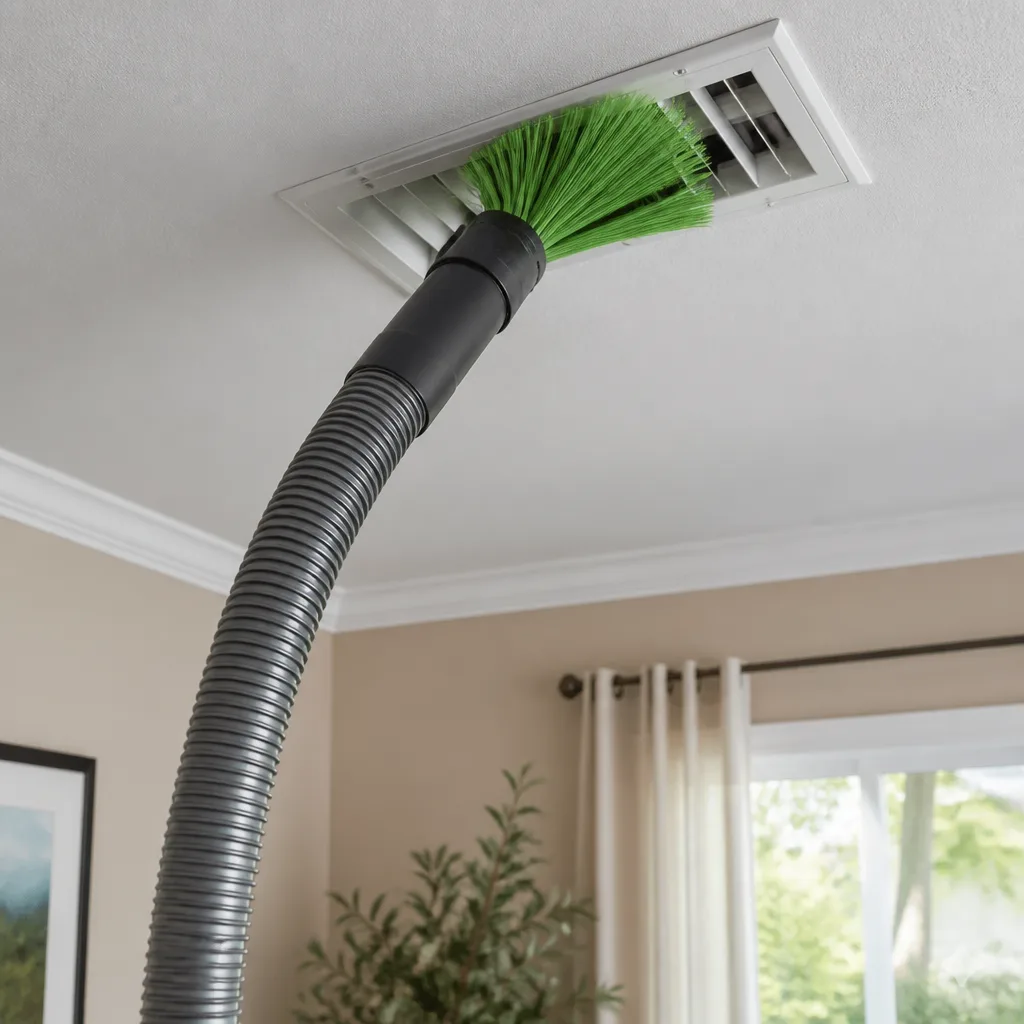
From the register, this condition produces a musty, earthy odor on startup. The camera shows a uniform, slightly glossy coating that differs from dry dust accumulation. Negative-pressure extraction (the method using professional-grade equipment from manufacturers like Abatement Technologies and Nikro) is required to remove it - household vacuums and rotary brushes alone will not dislodge compacted pollen paste.
Torn Inner Liner at Elbow Joints
Flex duct changes direction using elbow fittings or gradual bends. At these points, the inner liner experiences the most mechanical stress from airflow turbulence and thermal expansion. In The Woodlands attics, repeated heating and cooling cycles - attic ambient to conditioned air temperature, 40-60 times daily during peak season - fatigue the liner material.
The camera shows a flap, tear, or complete separation of the inner liner from the wire helix that gives flex duct its shape. Airflow whistles at these points, and unfiltered attic air enters through the breach. Repair requires cutting out the damaged section and installing a new flex duct segment with proper supports - not cleaning.
Condensation Staining and Microbial Growth
When attic humidity is high and duct surface temperature drops below dew point, moisture condenses on the duct exterior. This is normal in brief conditions. Persistent condensation - from inadequate insulation, air leaks, or system oversizing - produces interior staining visible on the camera as dark, irregular patches. Active microbial growth appears fuzzy or filamentous under the camera’s LED light.
The distinction between staining and active growth matters for your response. Staining without growth may require only improved insulation or airflow correction. Active growth requires source remediation and may involve HVAC Cleaning in The Woodlands to address the evaporator coil and plenum as well as the duct runs.
Construction Debris in Newer Homes
Homes built 2018-2023 in The Woodlands’ eastern villages frequently contain drywall dust, wood shavings, and insulation fragments from construction that was never fully cleaned from the duct system before occupancy. The camera shows angular, non-organic particles distinct from household dust. These materials are abrasive to blower motors and can carry fire-retardant chemicals from insulation into living spaces. Air Duct Cleaning in The Woodlands for newer homes often addresses this specific condition rather than accumulated household debris.
Common Mistakes to Avoid
- Assuming “no odor” means “no problem.” Many duct conditions - particularly construction debris and liner tears in attic runs - produce no odor detectable at the register. Relying on smell alone misses mechanical and particulate issues that affect efficiency and equipment life.
- Using the highest-MERV filter available. Filters above MERV 13 restrict airflow in most residential systems, increasing static pressure and duct leakage. In The Woodlands’ long cooling season, this strains blower motors and can actually increase duct loading by pulling more unfiltered air through leaks. Match filter to system specifications, not marketing claims.
- Cleaning without inspecting first. The $79 coupon special often skips camera inspection entirely. If your ducts contain torn liner or disconnected segments, cleaning equipment can damage them further and will not address the actual problem. Always inspect before cleaning.
- Ignoring post-storm conditions. Wind-driven rain through roof vents is common in The Woodlands’ summer thunderstorms. Homeowners who wait for visible ceiling stains may miss early duct moisture intrusion that could have been resolved with targeted drying and sealing.
- Accepting per-vent pricing. This pricing model incentivizes unnecessary register cleaning and obscures true system condition. Honest pricing is per system, with scope defined by camera findings, not by counting vents. CleanRun Air Duct Cleaning The Woodlands provides one flat price per system agreed before work starts, with no per-vent add-ons.
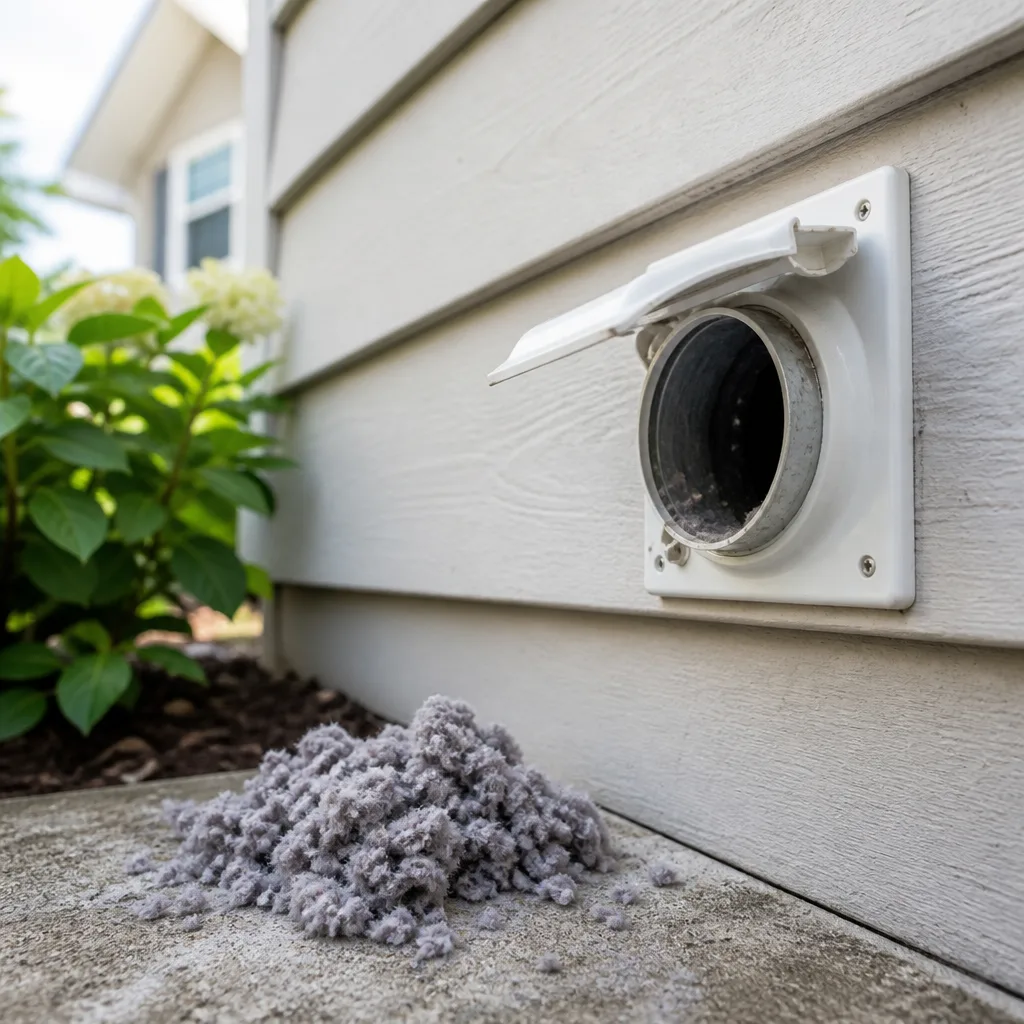
- Neglecting dryer vent maintenance while focusing on ducts. The dryer vent is part of your home’s air management system and presents a genuine fire hazard when clogged. Annual Dryer Vent Cleaning in The Woodlands is separate from duct maintenance but equally critical.
- Trusting “before and after” photos without provenance. Generic photos from a contractor’s website may not represent your home or even their work. Insist on photos of your specific duct runs, timestamped and delivered as part of your job record - the standard CleanRun has maintained since 2013.
When to Call a Professional
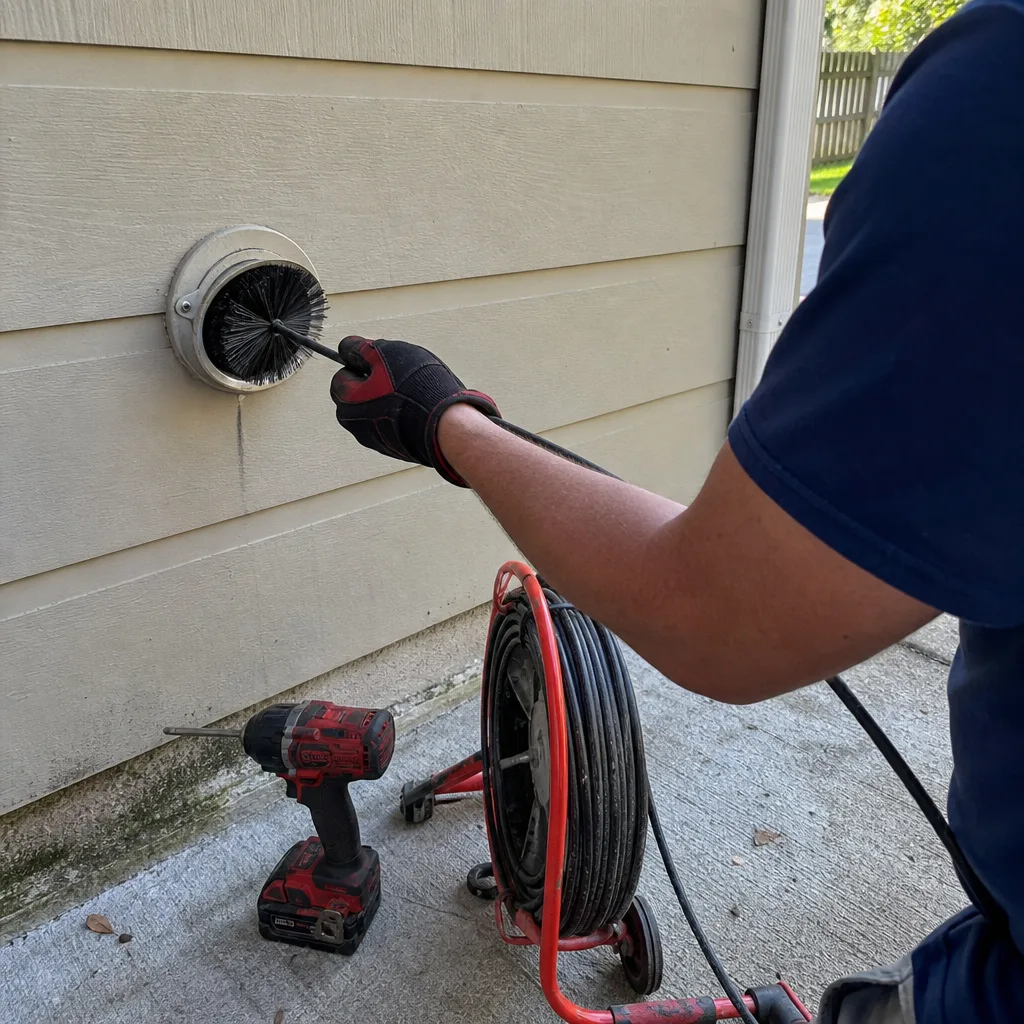
Call for professional evaluation when: you observe active moisture or staining at any register; airflow has noticeably decreased in one or more rooms; your system runs continuously without reaching setpoint; you’ve had any water intrusion event in the past 12 months; or your ducts have never been camera-inspected and your home is more than 7 years old.
CleanRun Air Duct Cleaning The Woodlands offers free estimates in The Woodlands - call (346) 248-1474. Every estimate includes a written price before any work starts, under Haven Standard Clause 1. Our technicians are background-checked and uniformed, operating under Haven Standard Clause 3: Verified Crews, and identified by name before arrival. We deliver a Documented Photo Record of every duct run on every visit, and every job is backed by our 365-Day Done Right Promise in writing.
Frequently Asked Questions
Whole-system air duct cleaning in The Woodlands typically ranges from $600-$1,200 for a standard single-system home, depending on system size, accessibility, and condition found during camera inspection. The lower end covers straightforward dust and pollen removal; the upper end addresses compacted buildup, multiple returns, or contamination requiring source remediation. Call (346) 248-1474 for a written estimate specific to your home - estimates are free, and we provide a Free Second Opinion on any competitor’s written quote.
Low quotes usually reflect one of three conditions: per-vent pricing that expands dramatically once the technician counts your registers; equipment that is essentially a powerful shop vacuum rather than negative-pressure extraction systems from recognized manufacturers like Abatement Technologies or Nikro; or a service that cleans only accessible register boots without entering the duct runs. A legitimate whole-system cleaning requires camera inspection first, professional-grade equipment, and sufficient time - typically 3-5 hours for a standard home. Prices that don’t account for these inputs are not comparable services.
Demand a Documented Photo Record showing the interior of every duct run before and after cleaning, delivered as part of your job record. At CleanRun, this has been standard practice since 2013. Without photographic evidence, you have only the contractor’s word that your ducts were cleaned. The photo record should show register labels or room identifiers so you can verify coverage, and timestamps or sequence numbers that confirm before-and-after pairing.
For most The Woodlands homes, every 3-5 years with normal filter maintenance and no major intervening events. Homes with allergy-sensitive occupants, multiple pets, or recent construction may need more frequent service. The trigger should be camera-inspected condition, not calendar time. A system maintained with proper filtration and no water intrusion may show minimal buildup at 5 years; a system with filter bypass or storm moisture may need attention sooner.
You can and should maintain registers, replace filters, and perform visual attic inspections yourself. Actual duct interior cleaning requires negative-pressure extraction equipment, rotary brush systems, and containment protocols that are not available to homeowners. Attempting to clean duct interiors with household vacuums risks damaging flex duct liner and dispersing contaminants into your living space. For the duct interior, hire a professional who will show you camera evidence before quoting.
Air duct cleaning addresses the distribution network - the duct runs, boots, and registers that move conditioned air through your home. HVAC Cleaning in The Woodlands addresses the air handler itself: evaporator coil, blower assembly, plenum, and condensate system. These are distinct services with distinct equipment and pricing. A complete system refresh typically involves both, but they should be quoted separately with separate scope definitions. Some conditions - particularly musty odors or microbial growth - originate in the HVAC components and will persist even after duct cleaning if not addressed at the source.
The Bottom Line
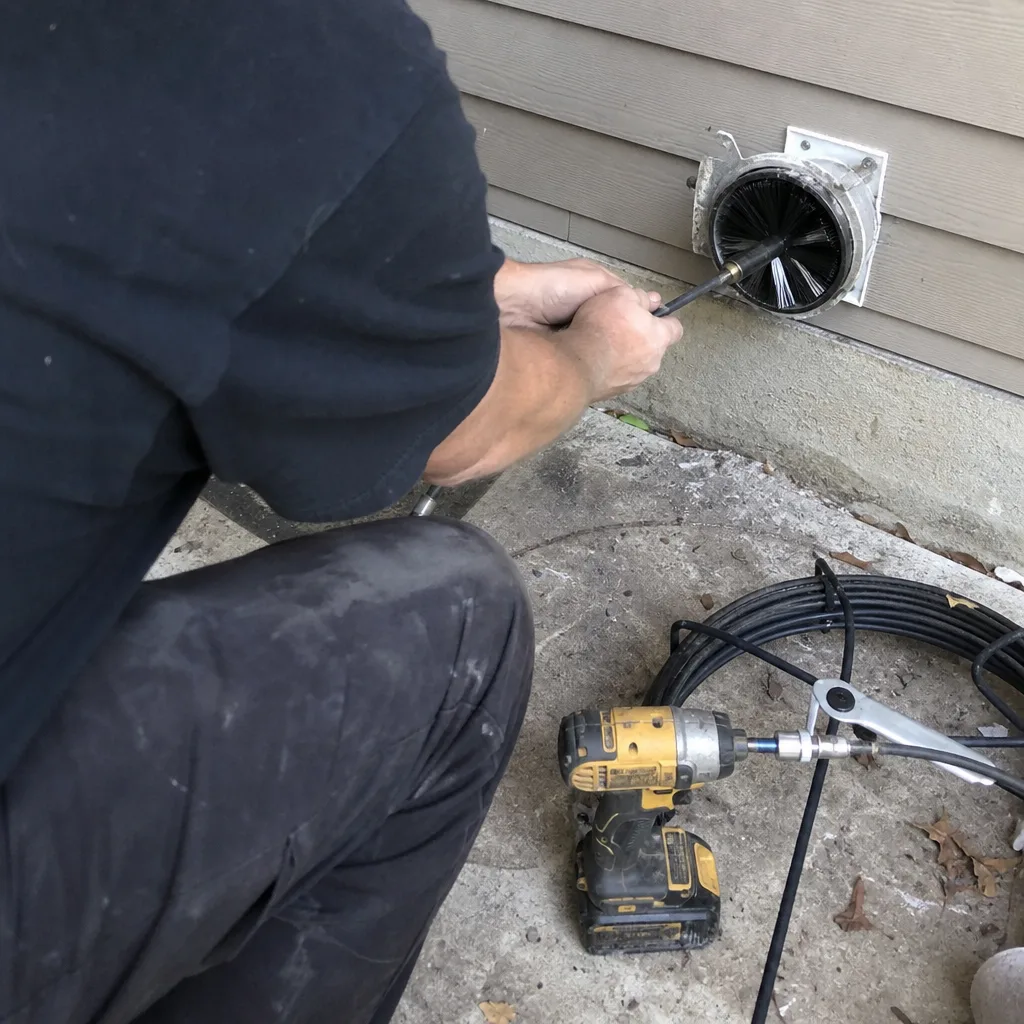
Air duct maintenance in The Woodlands is not about calendar cleaning or coupon chasing. It’s about learning to read your own home for the early signals - register discoloration, startup odor, attic hatch observations - that precede expensive problems. Document what you find. Match the inspection level to the finding: filter for routine, flashlight for annual, camera for diagnostic. And when you hire a professional, insist on the same documentation standards you’d apply yourself: written price first, camera evidence of your specific ducts, and a photo record delivered when the work is done. For more guides & resources, explore our blog. The homeowners who avoid the industry’s bait-and-switch are the ones who arrive with their own information already in hand.
Written by Tomas Reyes, Owner at CleanRun Air Duct Cleaning The Woodlands, serving The Woodlands since 2013.