
Last updated September 23, 2026
Whole-system duct and dryer vent check with before-and-after photos - you see exactly what came out of your vents
That "$99 whole-house special" is a bait ad - the real number appears once they are in your hallway, or the "clean" is a shop-vac at the register. We photograph the inside of your ducts before and after instead.
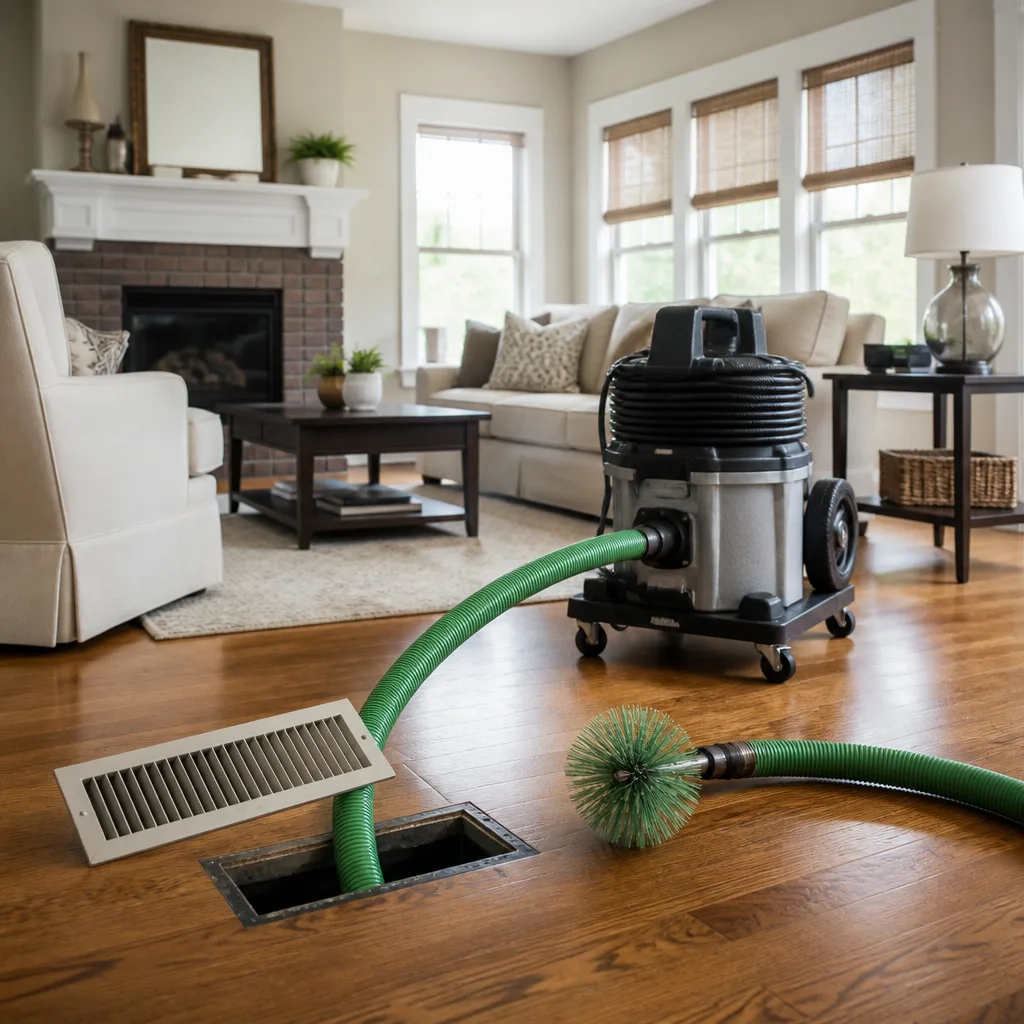
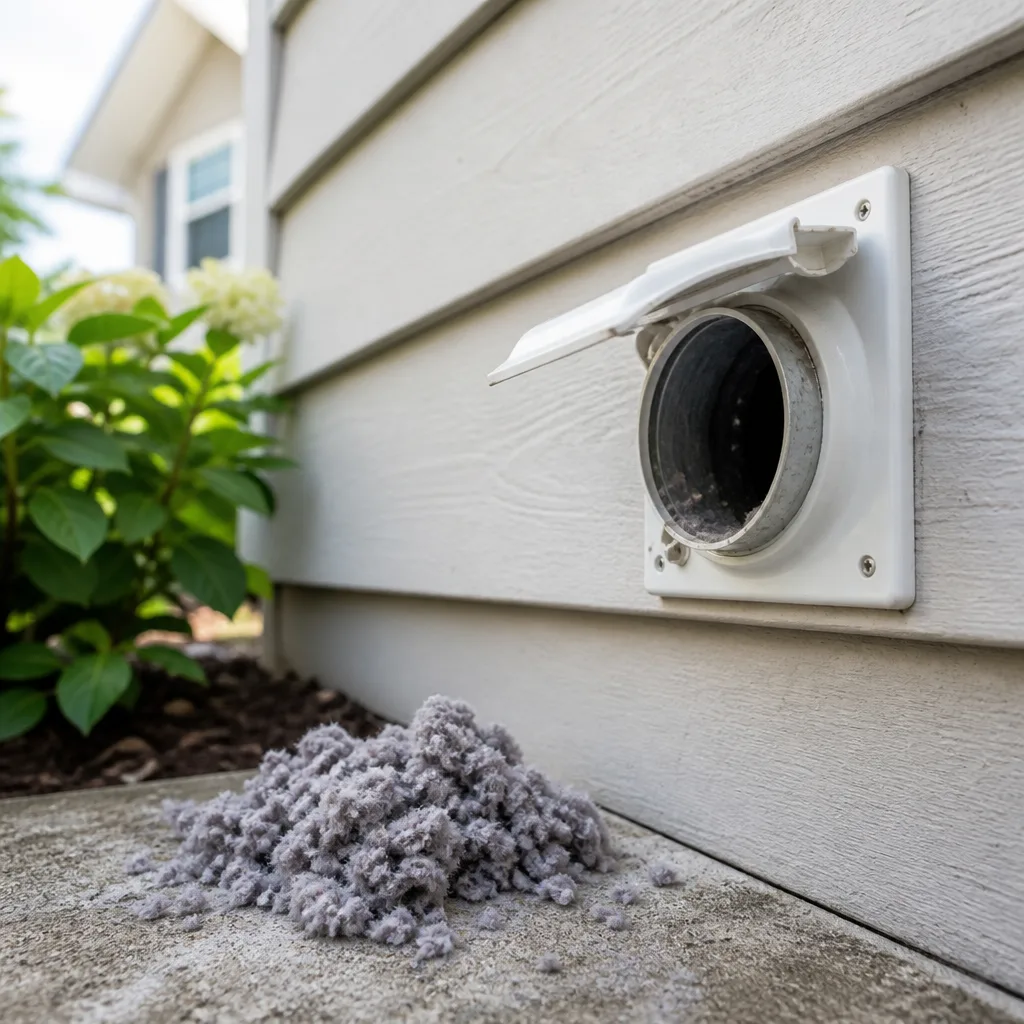
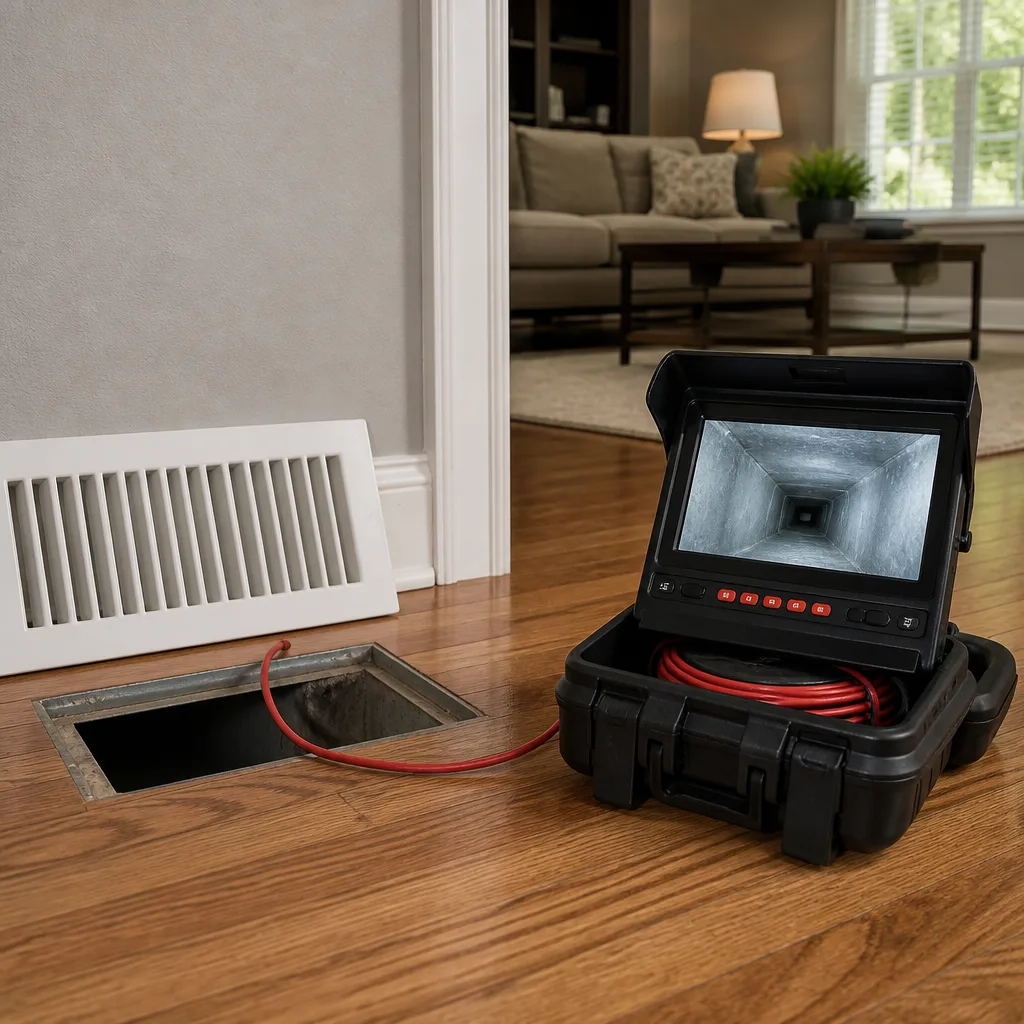
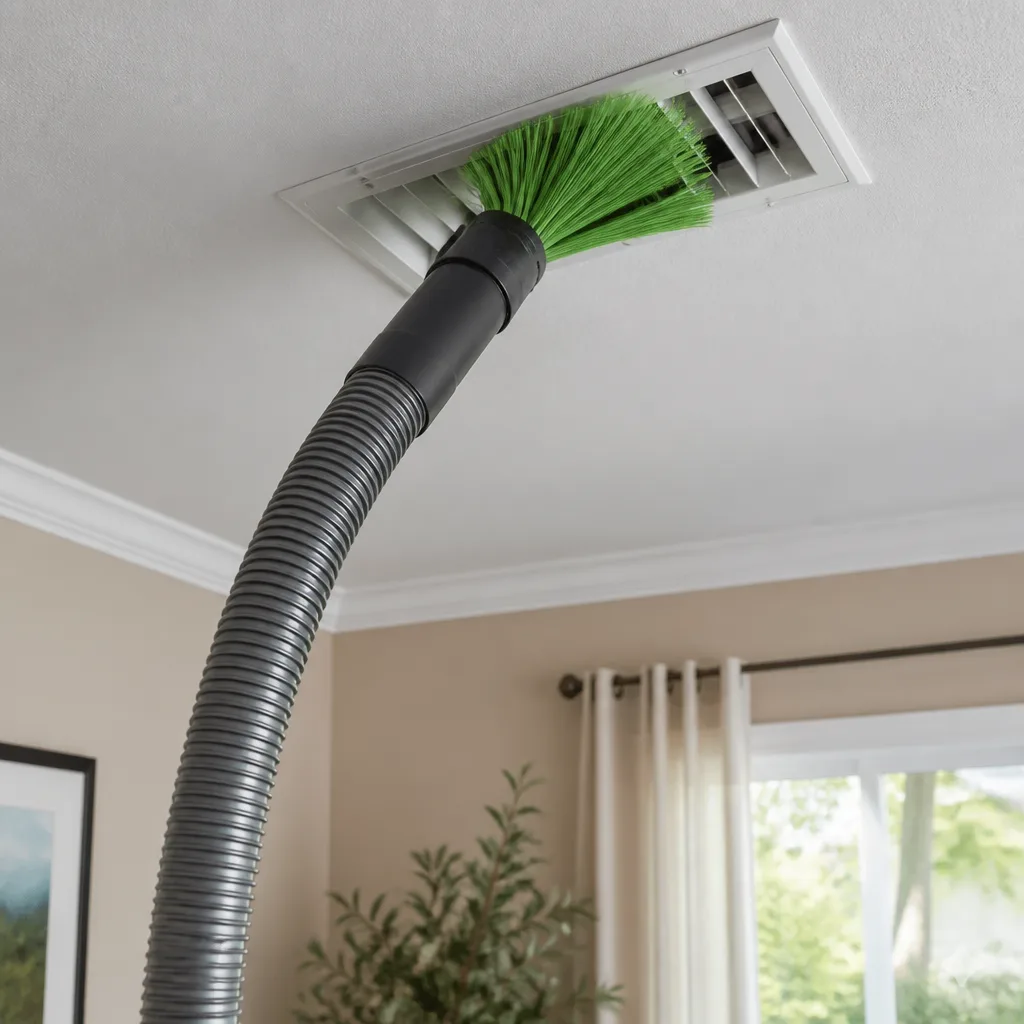
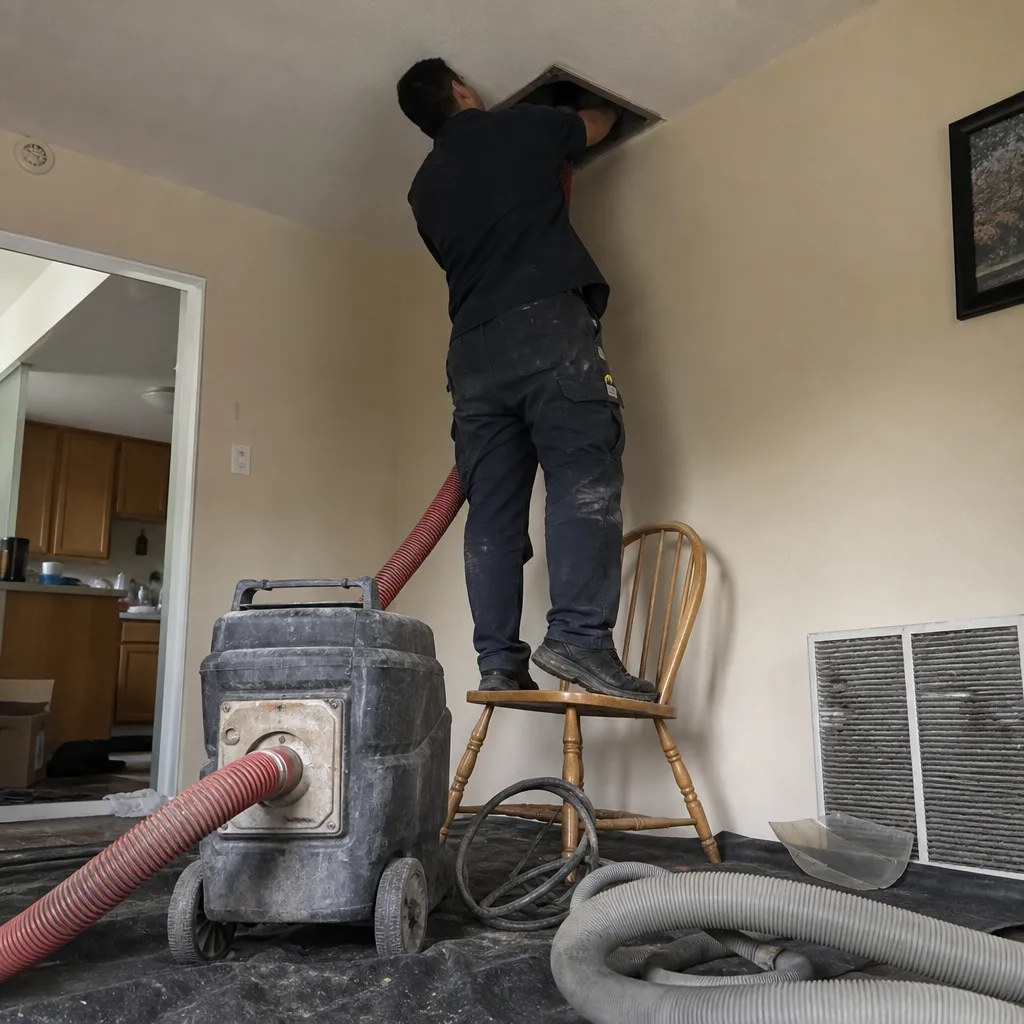 Before
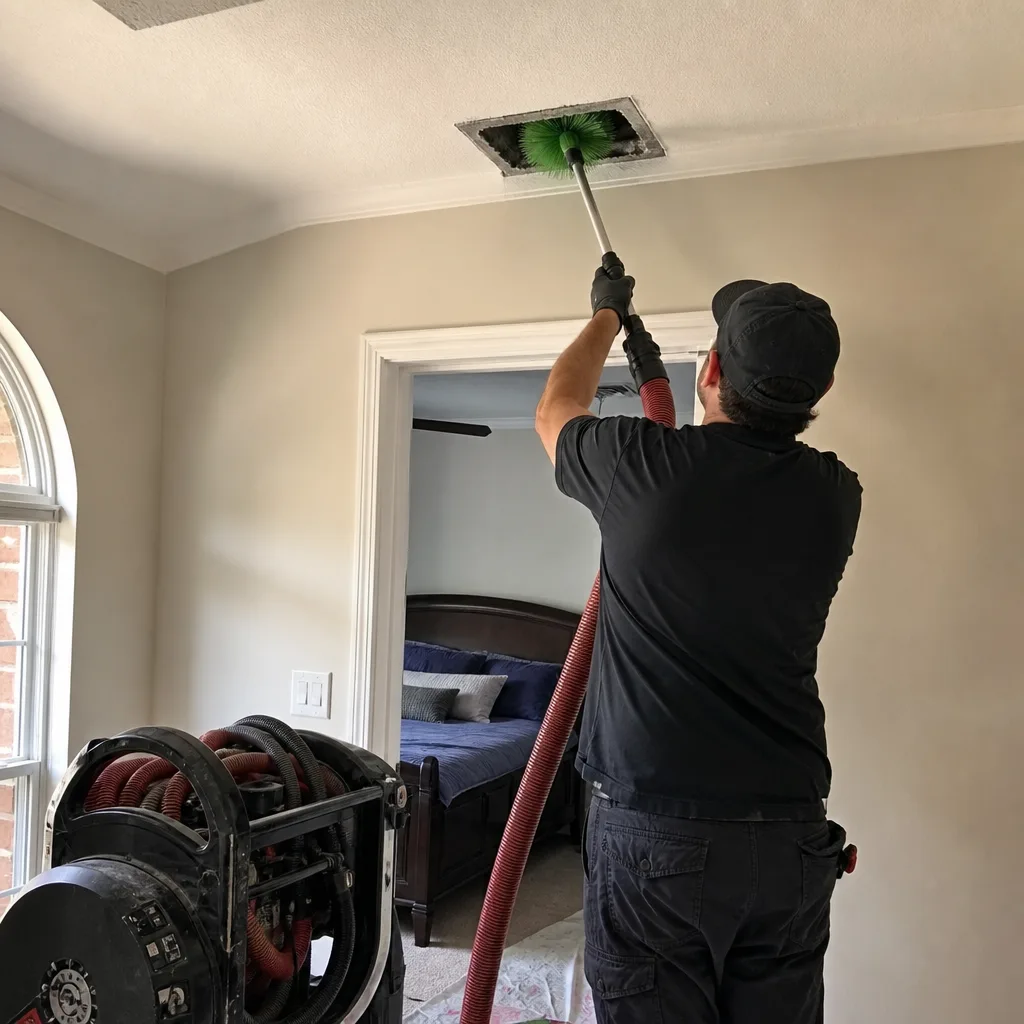 After
After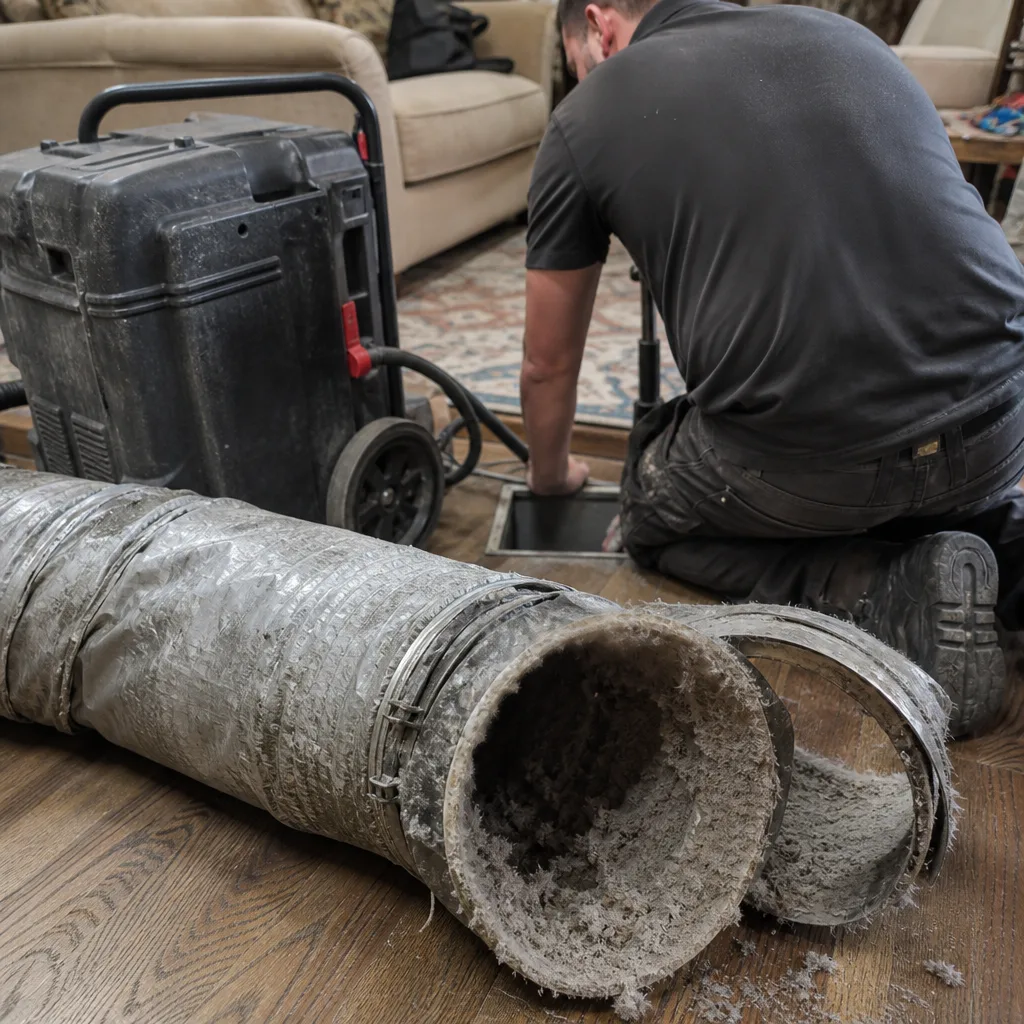 Before
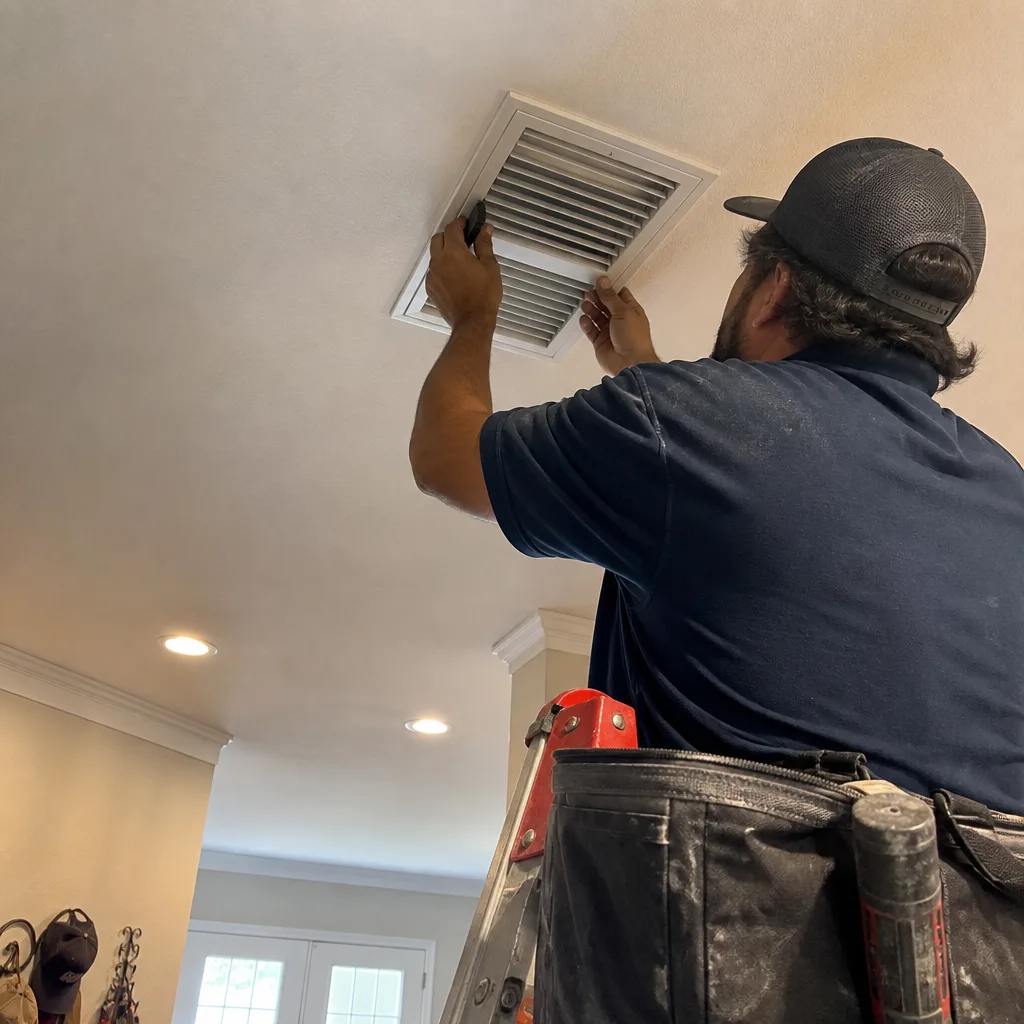 After
After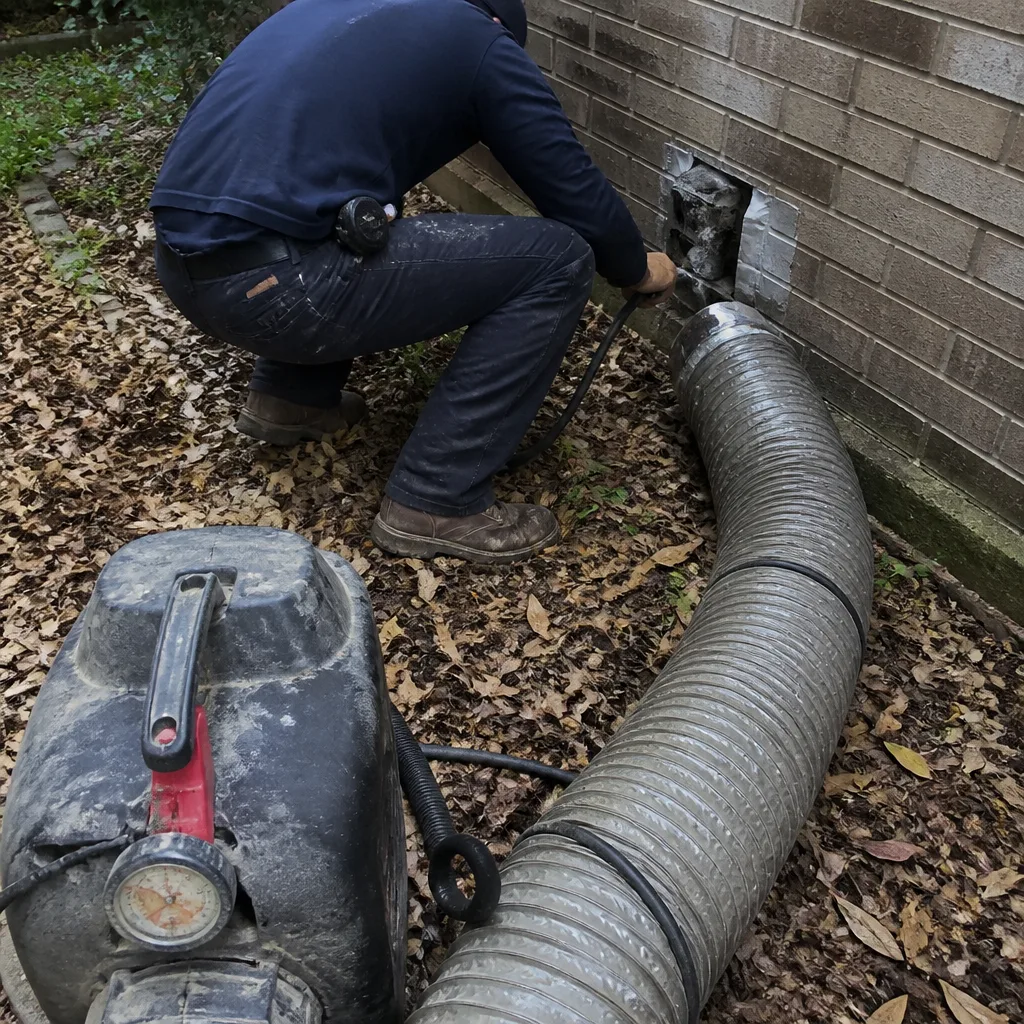 Before
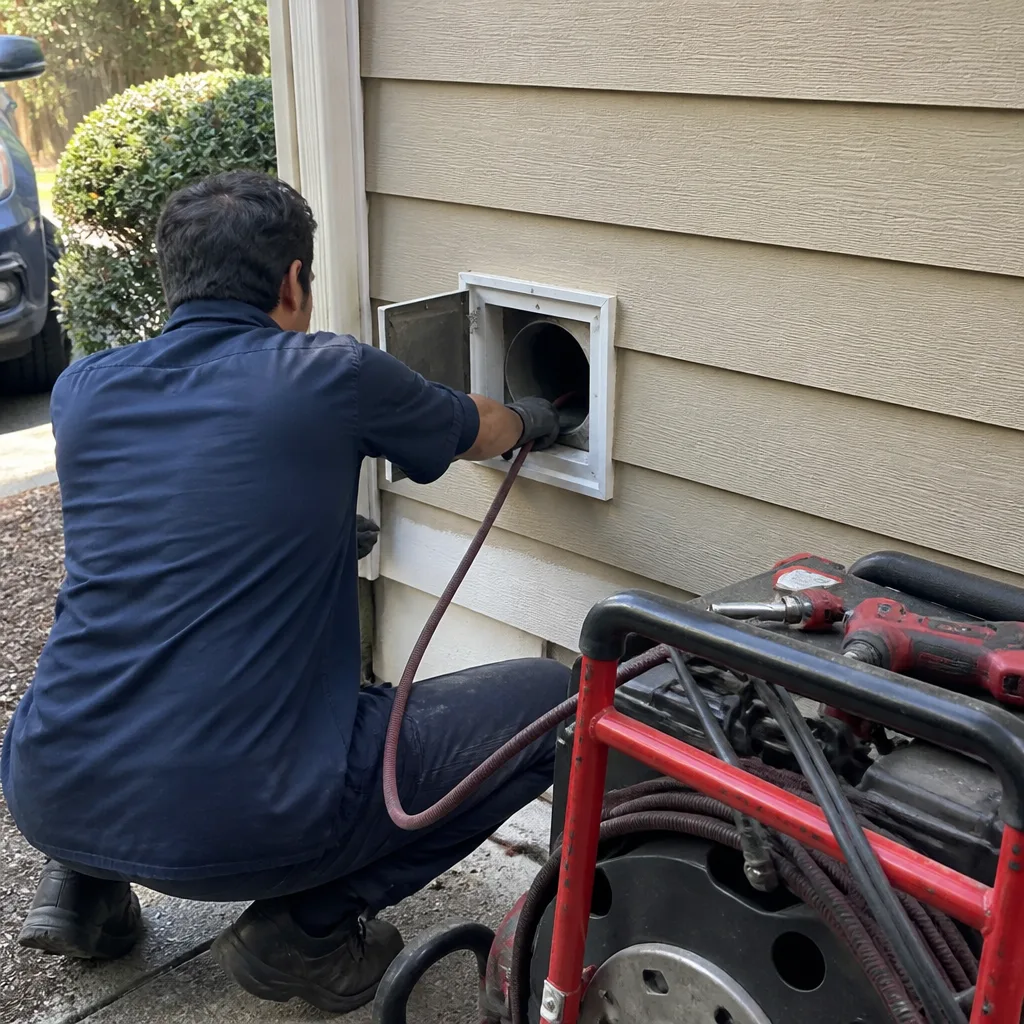 After
AfterAir Duct Cleaning Permits, Codes & Inspections in TX: What You Need to Know
Texas doesn’t license air duct cleaners - but it does license the mechanical contractor who should be doing your duct repairs, and most homeowners don’t know those are two different things until something goes wrong. In The Woodlands, we’ve arrived at jobs where a “cleaning” company had already cut into the plenum (the main distribution box attached to your air handler), replaced flex duct with duct tape and hope, and left the homeowner with no permit number to show their insurer. This guide draws the exact line between The Complete Guide to Air Duct Cleaning in The Woodlands, mechanical work, and mold remediation so you know which license to ask for, which permit to demand, and why skipping either can void your homeowner’s policy when you need it most.
Quick Answer
Air duct cleaning itself does not require a permit anywhere in Texas. However, duct repair, flex duct replacement, and mold remediation performed during or after a cleaning job often do require permits or specialized state licensure. In The Woodlands and Montgomery County, mechanical permits for duct modifications are issued by the township or county building department, and mold remediation companies must carry a Texas Department of State Health Services (DSHS) license with a verifiable license number.
Table of Contents
- Cleaning vs. Mechanical Work: Where the Permit Line Falls
- Montgomery County & The Woodlands Township Permit Requirements
- Mold Remediation Rules in Texas: DSHS Licensure Explained
- The Insurance Implication: Why Unpermitted Work Gets Claims Denied
- Decision Flowchart: What License to Ask For, When
- How to Verify a Contractor’s Credentials in Texas
- Common Mistakes to Avoid
- When to Call a Professional
- Frequently Asked Questions
- The Bottom Line
BeforeAfterCleaning vs. Mechanical Work: Where the Permit Line Falls
Texas Occupations Code does not regulate air duct cleaning as a standalone trade. Anyone with a vacuum and a business card can advertise the service. That lack of gatekeeping is why the industry collects so many consumer complaints - and why understanding what doesn’t need a permit is just as important as knowing what does.
Cleaning work - no permit required:
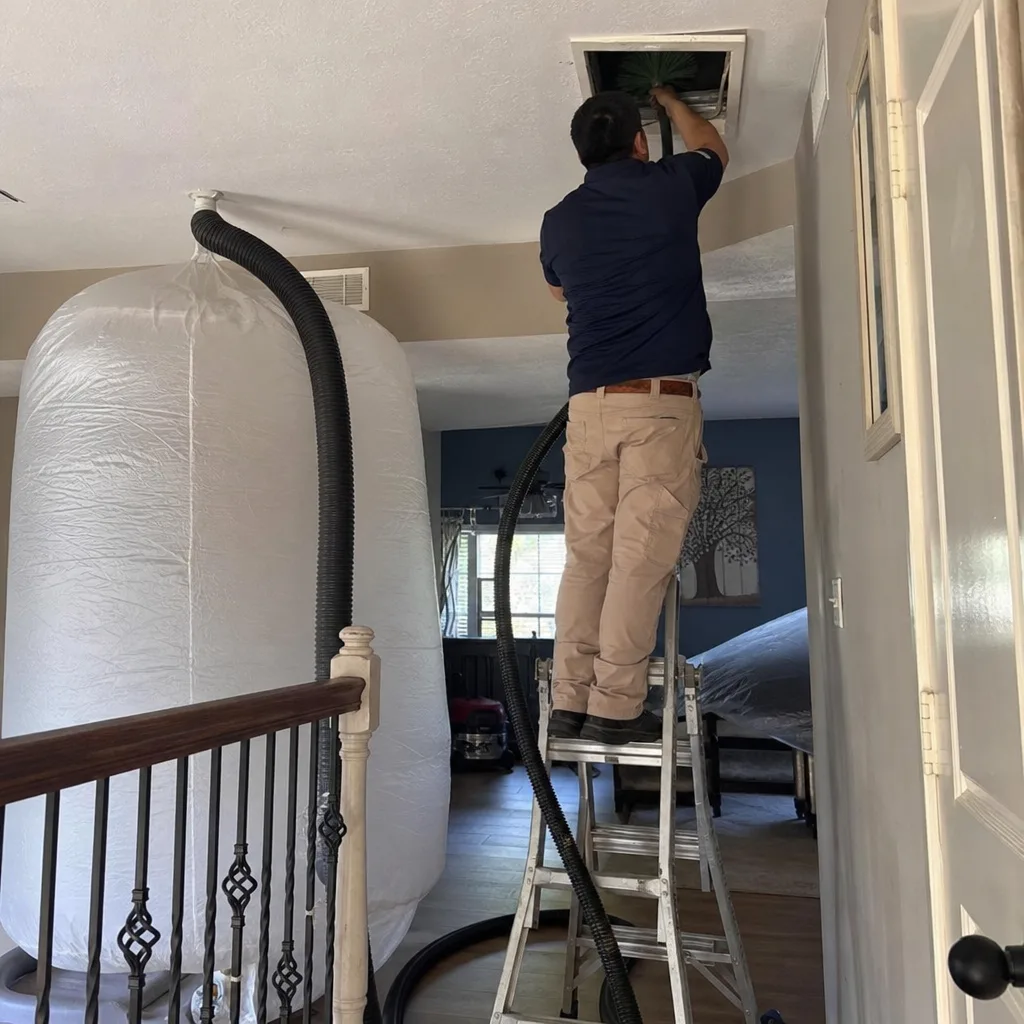
- Negative-pressure extraction of dust and debris from existing duct runs using rotary brushes or compressed-air whips
- Register and grille removal, cleaning, and reinstallation without modification
- Camera inspection of duct interiors for documentation purposes
- Application of EPA-registered sanitizers to existing duct surfaces (not to be confused with mold remediation)
Mechanical work - permit typically required:
- Cutting into or replacing the plenum (the sheet-metal box that distributes conditioned air from your air handler to the duct runs)
- Disconnecting and reconnecting flex duct at boots or collars
- Installing new duct runs, dampers, or access panels where none existed
- Sealing duct seams with mastic or tape in jurisdictions that classify this as mechanical modification
In The Woodlands, the distinction matters because our clay-heavy soils and seasonal humidity shifts cause more flex duct separations than in drier parts of Texas, a risk covered in Air Duct Cleaning Warning Signs: A The Woodlands Homeowner’s Reference Guide. We’ve documented cases in Grogan’s Mill and Panther Creek where a cleaning technician discovered a fully disconnected return duct - a 15-degree temperature differential in the attic told the story before the camera confirmed it. Fixing that separation is mechanical work. Cleaning around it and pretending the problem doesn’t exist is negligent. But having an unlicensed cleaner attempt the repair is worse.
The Texas Department of Licensing and Regulation (TDLR) governs Air Conditioning and Refrigeration Contractors. A technician performing duct repair must hold either a Class A or Class B license, or work under a licensed contractor’s direct supervision. The license number must be displayed on all advertising and contracts. If you’re in The Woodlands and someone offers to “fix that while we’re here,” ask for the TDLR license number before they touch a screw.
Montgomery County & The Woodlands Township Permit Requirements
The Woodlands operates under a layered jurisdiction that confuses even some local contractors. Parts of the township fall under Montgomery County’s unincorporated building codes; other sections, particularly newer developments, answer to Municipal Utility Districts (MUDs) with their own inspection protocols. For mechanical permits, the practical starting point is the CleanRun Air Duct Cleaning The Woodlands home service area knowledge we’ve built since 2013.
Montgomery County Building Department:
For unincorporated areas of the county, including portions of The Woodlands south of Woodlands Parkway and east of I-45, mechanical permits for duct modification are issued through the Montgomery County Engineer’s office. The permit application requires:
- A licensed contractor’s TDLR number
- A scope of work description specifying which duct runs are affected
- Property owner’s signature or notarized authorization
- Fee based on project valuation (typically $75-$150 for residential duct repair)
Inspection is scheduled after rough-in and again after final closure. The county inspector verifies that materials meet IRC (International Residential Code) standards and that flex duct is supported at intervals no greater than 4 feet - a detail we see violated frequently in attic work done without permits.
The Woodlands Township:
The Woodlands Township itself does not issue building permits but does enforce deed restrictions and aesthetic standards through its Residential Standards program. If your home is in a village with an active homeowners association - Indian Springs, Alden Bridge, Sterling Ridge - any exterior modification including new vent terminations or visible ductwork changes may require HOA approval in addition to the county mechanical permit. The township’s Development Standards Department can confirm whether your specific address falls under enhanced review.
Who to call to verify permit history:
- Montgomery County Building Permits: (346) 248-1474 - ask for mechanical permit records by property address
- The Woodlands Township Development Standards: (346) 248-1474 - for deed restriction and aesthetic compliance questions
- Texas Department of Licensing and Regulation: (346) 248-1474 or online license lookup at tdlr.texas.gov
We’ve pulled permits on behalf of homeowners when our inspection revealed pre-existing unpermitted work - a situation common in homes built during the 2015-2020 construction surge, when speed sometimes outpaced paperwork. The permit history becomes part of your property’s permanent record, visible to future buyers and their insurers.
Mold Remediation Rules in Texas: DSHS Licensure Explained
This is where Texas draws its sharpest regulatory line. The Texas Mold Assessment and Remediation Rules (TMARR), administered by the Department of State Health Services, require any company performing mold remediation in an area larger than 25 contiguous square feet to hold a DSHS license. The individual performing the work must be a DSHS-registered Mold Remediation Contractor or work under direct supervision of one.
Air duct cleaning intersects with mold remediation more often than homeowners expect. The Woodlands’ combination of tight building envelopes, high summer humidity, and occasional HVAC drainage failures creates conditions where mold colonizes duct interiors - particularly in return plenums and the first few feet of downstream duct runs. Our cameras have documented active growth in homes as new as 2019, often where a clogged condensate line went unnoticed for a season.
What DSHS rules require for legitimate mold remediation:
- Pre-work assessment by a Mold Assessment Consultant - This must be a different individual or company than the remediator, to prevent conflict of interest. The assessment includes air and surface sampling, moisture mapping, and a written protocol specifying remediation scope.
- Containment and negative air pressure - The work area must be isolated with plastic sheeting and maintained under negative pressure relative to occupied spaces, verified with manometer readings.
- Post-remediation clearance testing - After cleanup, the Mold Assessment Consultant returns to collect new samples. Work is not complete until lab results show spore counts at or below outdoor baseline levels for the property’s microclimate.
- Written certificate of completion - The homeowner receives documentation including the consultant’s license number, the remediator’s license number, lab results, and before/after photographs.
Red flags that indicate unlicensed or improper mold work:
- The same company proposes to “test and treat” without involving a separate assessment consultant
- A duct cleaning company offers to “fog” or “spray” for mold without visible inspection or sampling
- No license number is provided, or the number cannot be verified at dshs.texas.gov/mold
- The quote is priced by the vent or by the “treatment area” rather than by the assessed scope
We’ve declined jobs where our camera showed visible mold because the homeowner needed DSHS-licensed remediation first, not a cleaning. Haven Standard Clause 1 - written price before any work starts - applies even to the decision to walk away. We’d rather document what we found and refer you to a licensed remediator than collect payment for work that doesn’t solve the actual problem and might make your insurance situation worse.
The Insurance Implication: Why Unpermitted Work Gets Claims Denied
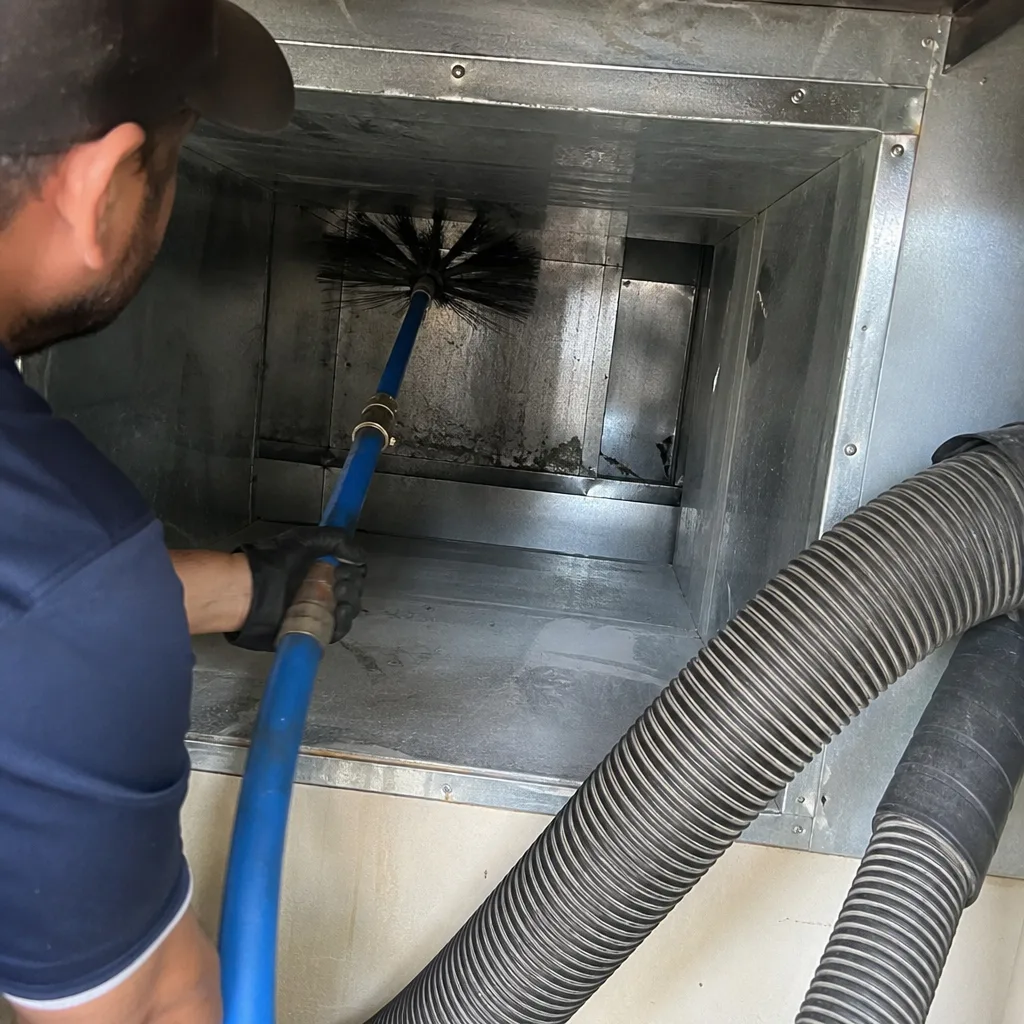
This is the section most competitors won’t write because it implicates their own practices. We’re writing it because our documented photo record has saved homeowners in The Woodlands when insurers questioned whether work was actually performed.
Standard homeowner’s insurance policies in Texas contain language that excludes coverage for losses “resulting from faulty, inadequate, or defective construction, repair, or renovation.” The exclusion is broad, and courts have interpreted it to cover unpermitted mechanical work that later causes water damage, fire, or structural deterioration. The key phrase insurers use: “work performed without required permits or by unlicensed contractors.”
Real scenarios we’ve encountered:
- A Grogan’s Mill homeowner had a water loss when an unpermitted plenum modification created a condensation trap. The insurer denied the $14,000 claim, citing unlicensed mechanical work performed two years prior by a “duct cleaning” company that had cut and resealed the plenum without a permit.
- A Panther Creek home’s flex duct separation - “repaired” with foil tape by an unlicensed cleaner - detached completely during a freeze event, causing the air handler to overheat and trigger a fire suppression system. The $8,500 HVAC replacement was denied because the tape repair constituted unpermitted mechanical modification.
What protects you:
- A written scope of work that distinguishes cleaning from mechanical tasks
- Permit numbers for any mechanical work, with inspection sign-offs
- Contractor license numbers verified through TDLR
- Before-and-after photographic documentation of all work performed
- Your own copy of all documentation, not just the contractor’s file
Our Air Duct Cleaning in The Woodlands service includes a Documented Photo Record of every duct run, delivered as a standard job record. If we find conditions requiring mechanical repair or mold remediation, we specify that in writing, provide the license class required, and leave the decision with you - documented, dated, and photographically supported. That record has helped homeowners in The Woodlands prove to insurers that our work was limited to cleaning only, preserving their coverage for unrelated losses.
Decision Flowchart: What License to Ask For, When
Use this sequence when a technician is in your home or when reviewing a written estimate. The answer at each step determines what credential to verify.
Step 1: What work is actually being proposed?
Read the scope of work carefully. Look for these terms:
- “Clean,” “extract,” “brush,” “vacuum” - cleaning only, no permit needed
- “Repair,” “replace,” “modify,” “seal,” “reconnect” - mechanical work, permit likely required
- “Mold,” “remediate,” “treat,” “fog,” “sanitize due to biological growth” - DSHS mold remediation licensure required if area exceeds 25 square feet
Step 2: Is the proposed work limited to existing duct surfaces?
Yes → Verify the company carries general liability and workers’ compensation insurance. Ask for certificate of insurance naming you as additional insured for the work date. No mechanical permit needed.
No, modifications to plenum or duct routing are proposed → Demand the TDLR Air Conditioning and Refrigeration Contractor license number. Verify at tdlr.texas.gov. Confirm permit will be pulled before work begins.
Step 3: Was visible mold found during inspection?
No → Proceed with cleaning if scope is appropriate.
Yes → Stop. Mold remediation requires DSHS-licensed assessment and remediation by separate parties. Any cleaning of mold-affected ducts without remediation protocol completion may spread spores and violates TMARR. The cleaning company should document findings and refer you to licensed assessors and remediators.
Step 4: What documentation will you receive?
Minimum acceptable: written scope, written price (Haven Standard Clause 1), technician identification, before/after photos of work area, warranty terms in writing.
For mechanical work: add permit application copy, inspection sign-off, contractor’s TDLR license number on invoice.
For mold remediation: add DSHS assessment consultant license number, DSHS remediator license number, pre- and post-remediation lab results, certificate of completion.
In The Woodlands, we’ve seen estimates that blur these categories intentionally - a single line item for “clean and treat ducts with mold inhibitor” that conceals unlicensed remediation inside a cleaning scope. Read every line. Ask what each term means. A legitimate contractor will explain without deflection.
How to Verify a Contractor’s Credentials in Texas
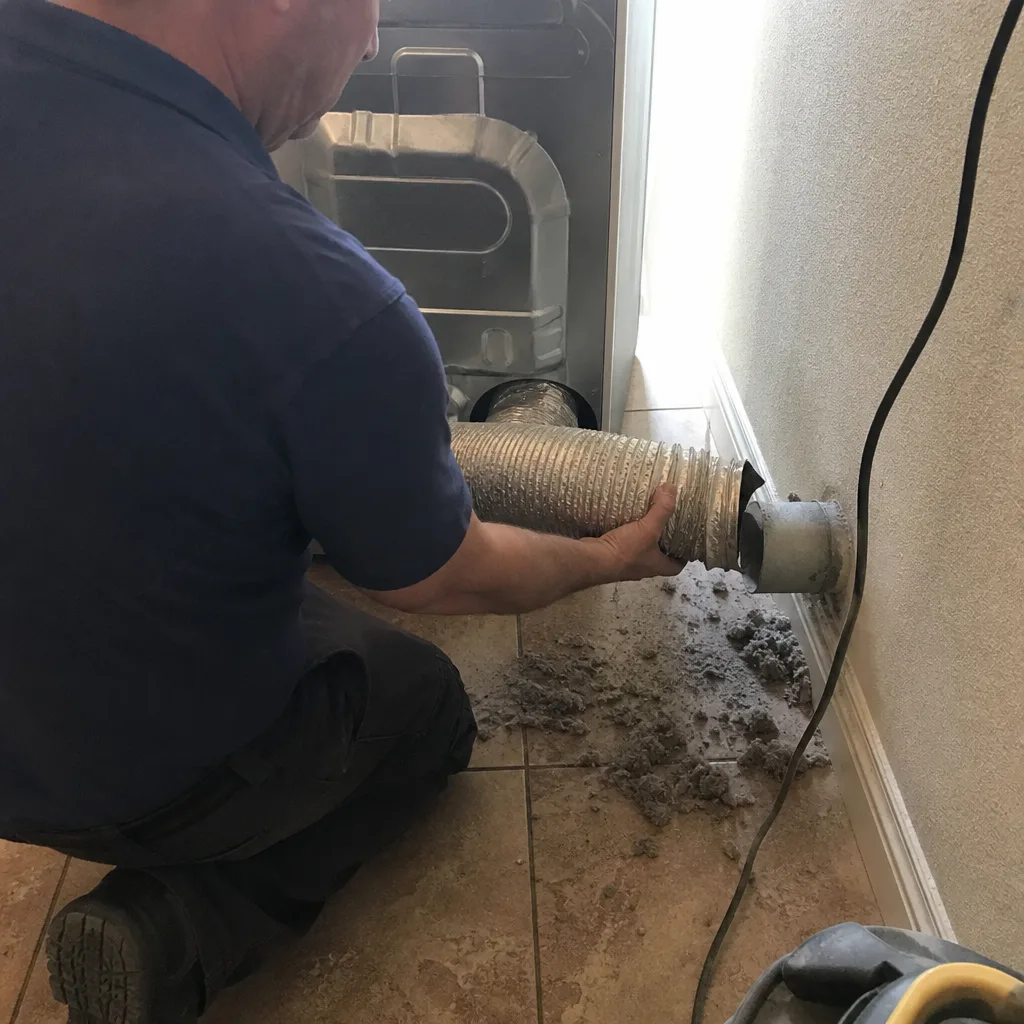
Verification takes five minutes and has saved The Woodlands homeowners from tens of thousands in unpermitted work. Here’s the exact process.
TDLR License Verification (for mechanical work):
- Visit tdlr.texas.gov and select “License Search”
- Enter the contractor’s name or license number
- Confirm the license status shows “Active”
- Verify the license class matches the proposed work: Class A (any size system) or Class B (systems under 25 tons cooling/1.5 million BTU heating)
- Check for disciplinary actions or complaints in the “Enforcement” section
DSHS Mold License Verification:
- Visit dshs.texas.gov/mold and select “License Search”
- Search by company name or individual license number
- Confirm both the Mold Assessment Consultant and Mold Remediation Contractor registrations are active and held by different entities
- Note expiration dates; licenses must be current at time of work
Montgomery County Permit History:
- Call (346) 248-1474 with your property address
- Request mechanical permit history for the past 10 years
- Compare permit holder names to contractor names on your estimates
- Ask whether final inspections were signed off or remain open
Insurance Verification:
Request a Certificate of Insurance (COI) directly from the contractor’s insurance agent, not from the contractor. The COI should show general liability coverage of at least $1 million per occurrence and workers’ compensation coverage if the company has employees. Verify the agent’s phone number independently; we’ve encountered falsified COIs in the Houston metro market.
CleanRun publishes our TDLR-related credentials and insurance status on request, and our technicians carry identification verifying background check completion under Haven Standard Clause 3: Verified Crews. We’ve operated in The Woodlands since 2013 with equipment from trade-recognized brands including Rotobrush, Nikro, and Honeywell - names customers can verify independently before any price discussion.
Common Mistakes to Avoid
- Assuming a “certified” duct cleaner is state-licensed. Industry certifications from private organizations are not government credentials. Texas does not certify duct cleaners; ask specifically for TDLR or DSHS license numbers, not certificate walls.
- Accepting verbal assurance that a permit “isn’t needed for this small job.” Permit thresholds vary by jurisdiction. In Montgomery County, even replacing a single section of flex duct that alters the original routing can trigger mechanical permit requirements. Get the determination in writing from the building department.
- Letting a cleaning company start mechanical work “while they’re already here.” The convenience premium is steep: unpermitted work voids insurance coverage, and the same company rarely carries both the liability coverage and license class needed. Stop the job, get separate quotes, verify licenses.
- Paying for mold “treatment” without pre- and post-remediation testing. DSHS rules exist because visual inspection alone cannot confirm mold elimination. A fogging treatment without clearance testing is undocumented and unverifiable - and insurers reject claims based on it.
- Not requesting the photo documentation you’re entitled to. In The Woodlands’ competitive market, documented before/after records separate legitimate operators from vacuum-and-go services. If a company won’t photograph inside your ducts, they’re asking you to trust what you cannot see.
- Discarding paperwork after the job. Permit records, licenses, and inspection sign-offs should be kept for the duration of homeownership plus seven years. These documents transfer with the property and protect against future coverage disputes.
When to Call a Professional
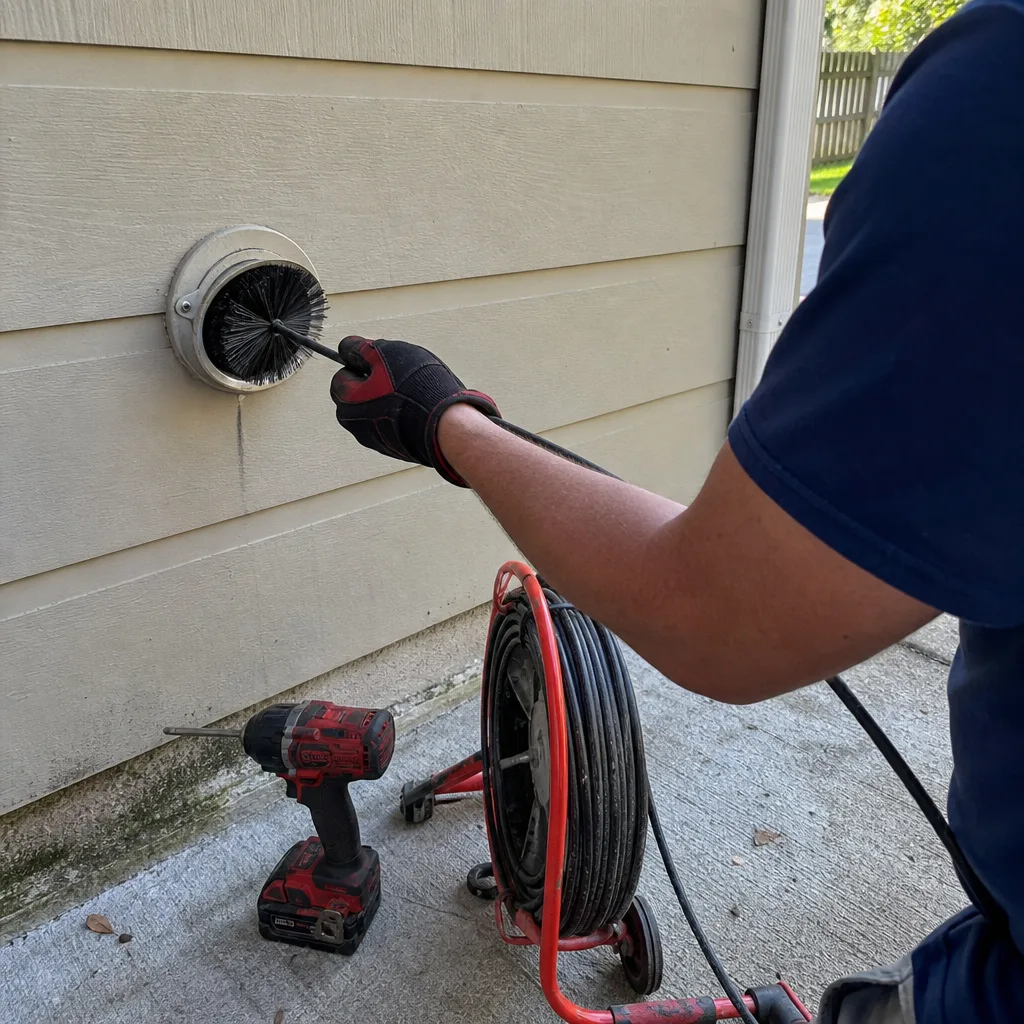
Call for our Air Duct Cleaning services when your ducts haven’t been cleaned in five or more years, when you notice uneven heating or cooling between rooms, when musty odors persist after filter changes, or when a visual inspection of accessible registers shows debris buildup beyond normal dust accumulation. In The Woodlands, the combination of new construction residue in homes built 2015-2025 and our region’s high pollen loads means many systems need attention sooner than manufacturer guidelines suggest.
If a technician finds conditions requiring mechanical repair or mold remediation during cleaning, that discovery should pause the job - not accelerate it into unlicensed work. CleanRun Air Duct Cleaning The Woodlands offers free estimates in The Woodlands. Our crews use Rotobrush and Nikro equipment for negative-pressure extraction, document every duct run with before-and-after photography, and provide written prices under Haven Standard Clause 1 before any work begins. If we find something that requires a license we don’t hold, we say so in writing and point you toward the right credential. Call (346) 248-1474.
Frequently Asked Questions
No. Air duct cleaning - the removal of dust and debris from existing ductwork using brushes, compressed air, or negative-pressure extraction - does not require a building permit in The Woodlands, Montgomery County, or anywhere in Texas. If a contractor claims a permit is needed for cleaning alone, request the specific code citation and verify with Montgomery County Building Permits at (346) 248-1474.
A whole-system cleaning for a typical 2,000-3,500 square foot home in The Woodlands generally ranges from $400-$700, depending on system accessibility, number of duct runs, and whether dryer vent cleaning is included. CleanRun provides a written price before any work starts under Haven Standard Clause 1 - no per-vent add-ons, no post-arrival surprises. Call (346) 248-1474 for an exact quote; estimates are free.
$79-$149 offers typically cover a brief vacuuming of accessible registers, not full-system cleaning with negative-pressure extraction and rotary brushing of each duct run. The low price is designed to get a foot in the door; the upsell for “additional vents,” “sanitizing,” or “deep cleaning” follows. We document our scope in writing with equipment specified - Rotobrush, Nikro, or Honeywell tools named by model - so customers can verify what they’re paying for before agreeing to a price.
Demand a documented photo record showing the interior of each duct run before and after service. CleanRun includes this as a standard deliverable on every job - not an upgrade - and has since our first job in 2013. Photos should show identifiable landmarks: register openings, elbow joints, plenum connections. A technician who cannot or will not provide this documentation is asking for trust without evidence.
The job should stop. Under Texas DSHS rules, mold remediation in areas larger than 25 contiguous square feet requires a licensed Mold Assessment Consultant to evaluate and write a protocol, followed by a separately licensed Mold Remediation Contractor to perform the work, with post-remediation clearance testing before any cleaning proceeds. A duct cleaning company that offers to “treat” mold without this process is operating outside state law and putting your insurance coverage at risk.
Every three to five years for most homes, sooner if you have pets that shed heavily, have completed renovation work, or notice reduced airflow at registers. The Woodlands’ dense tree canopy and high spring pollen counts - particularly in villages near the George Mitchell Nature Preserve - can accelerate buildup in return ducts. Our camera inspections let homeowners see their actual conditions rather than relying on calendar schedules.
The Bottom Line
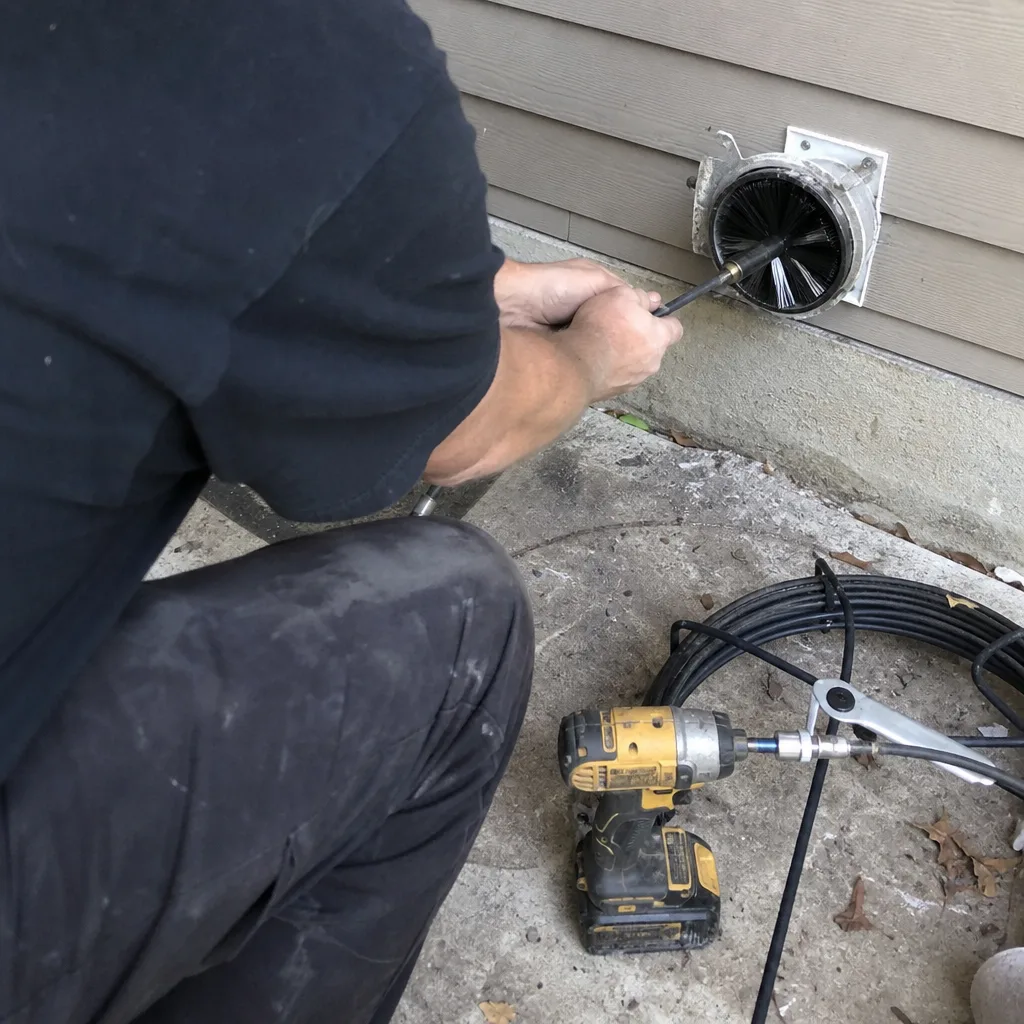
Air duct cleaning in Texas operates in a regulatory gap that benefits low-barrier operators and harms informed homeowners. The work itself needs no permit - but the repairs, modifications, and mold remediation that surround it absolutely do. In The Woodlands and Montgomery County, that means TDLR-licensed contractors for mechanical work, DSHS-licensed separate parties for mold assessment and remediation, and building permits with inspection sign-offs for anything that alters your system’s original configuration. Your homeowner’s insurance depends on this documentation if a future loss occurs. Your home’s air quality depends on distinguishing cleaning from remediation. For more guides & resources on protecting your investment, visit our blog. And your wallet depends on refusing the $79 coupon that becomes a $600 upsell once the truck is in your driveway. Get it in writing, verify the license, and demand the photo record that proves what was done.
Written by Tomas Reyes, Owner at CleanRun Air Duct Cleaning The Woodlands, serving The Woodlands since 2013.